Jubilee Center spans two videos and two moments in my life. The 2019 film told the building's full story while it was still under construction. In 2022, after graduating, I returned to create a shorter cinematic for its opening event.
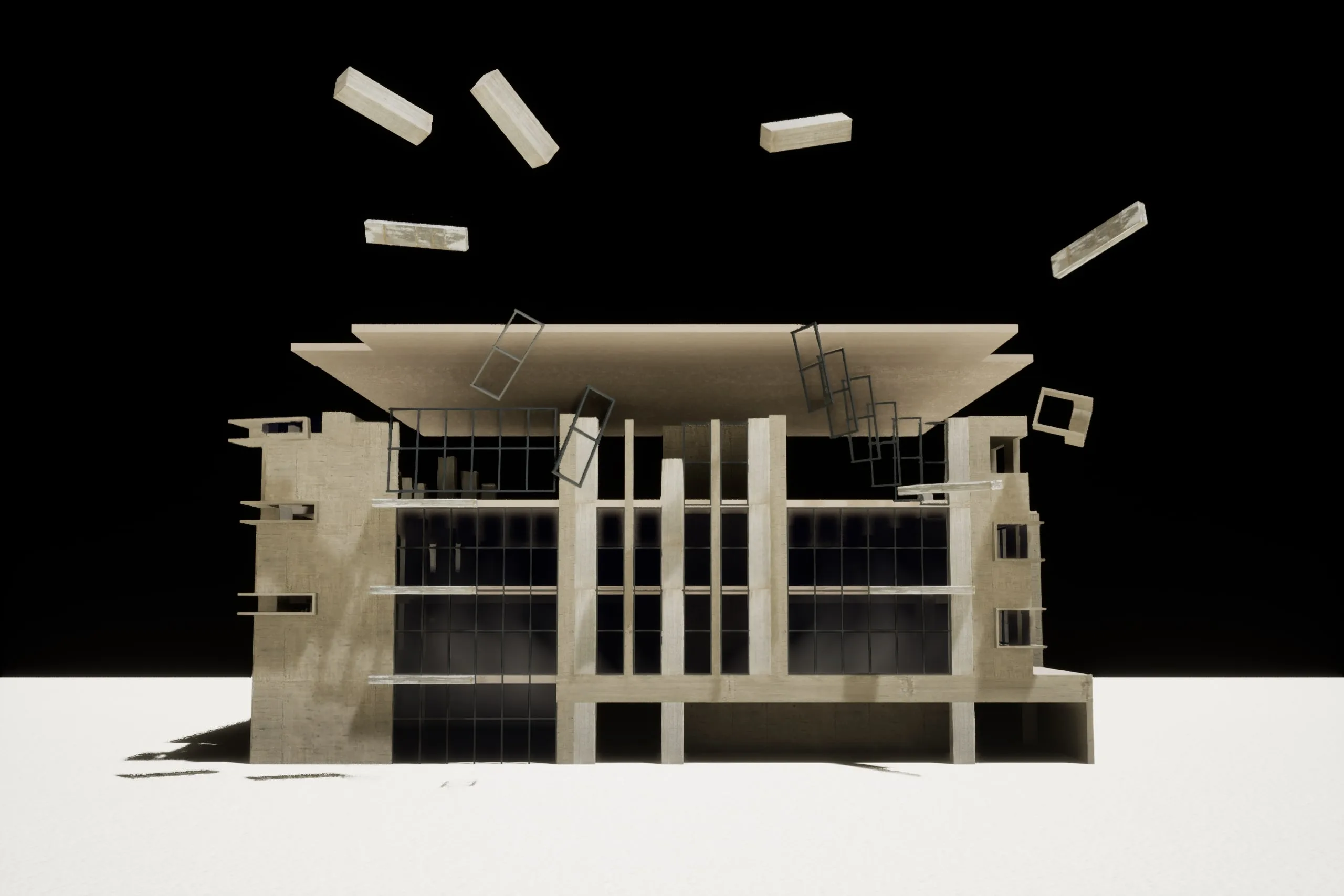
Across both versions, I wanted the architecture to feel as if it were assembling in front of you. The project became one of the first places where direction, editing, cinematography, and 3D animation came together for me.
The project in motion
A new team and a new building
During the 2018 to 2019 school year, I was student council president and one of the founders of a new multimedia team at my high school. After my term, I decided to lead the team and put more of my time into the visual work I already loved.
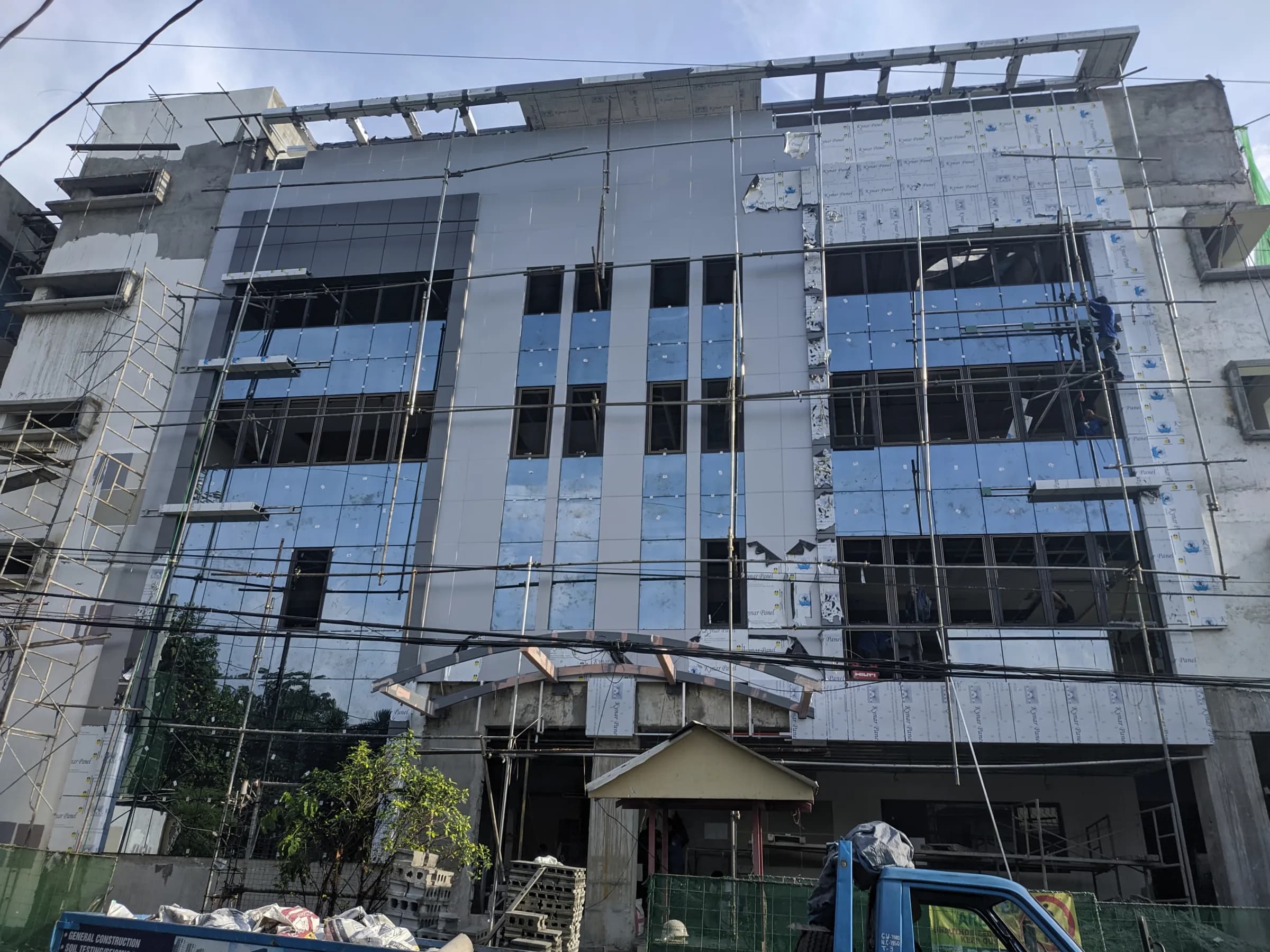
As construction of the Jubilee Center continued in 2019, the school asked us to create a film that could show stakeholders what its new rooms and shared spaces would make possible. I saw it as a chance to tell a story visually, not simply document a construction project.
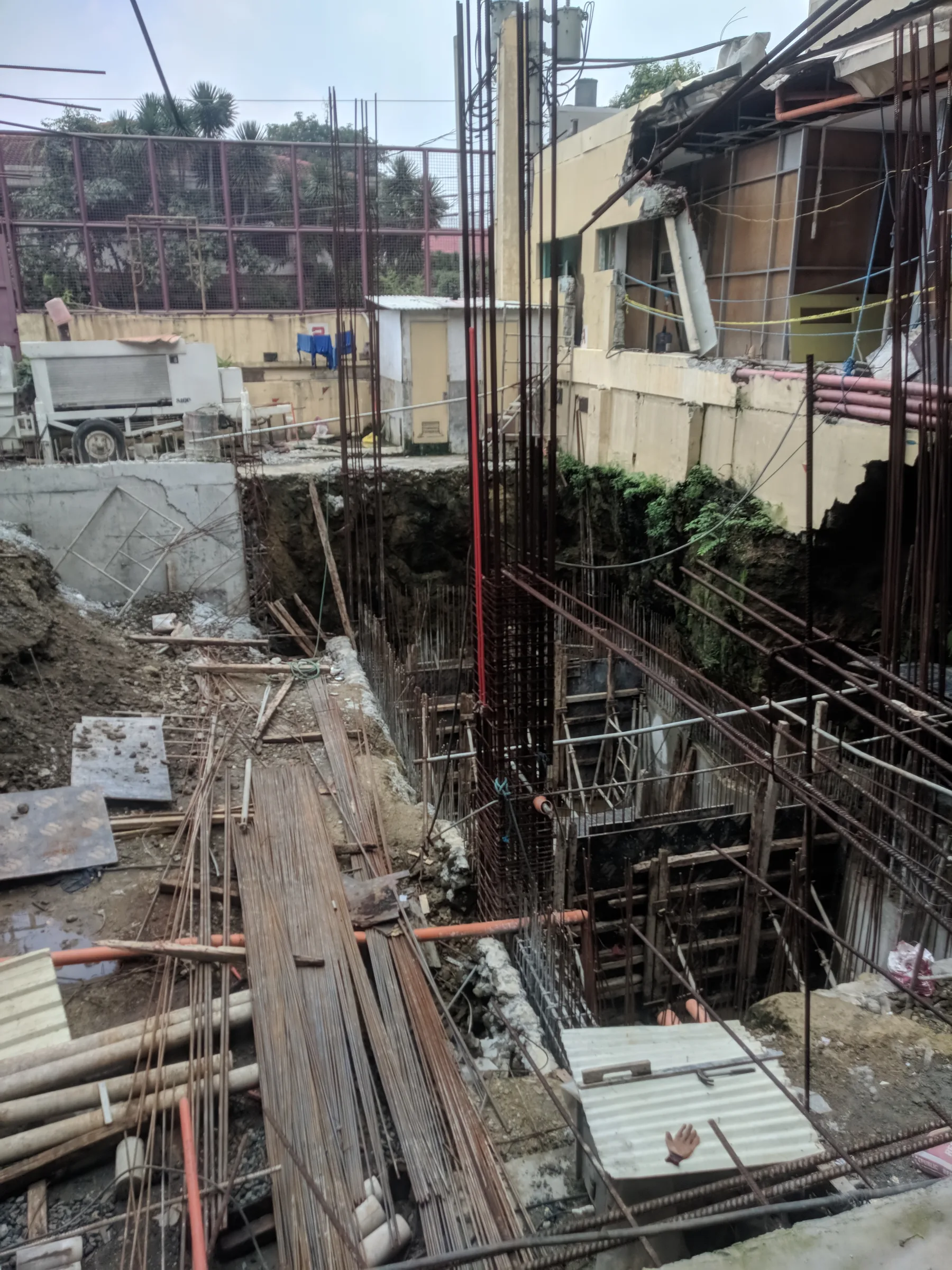
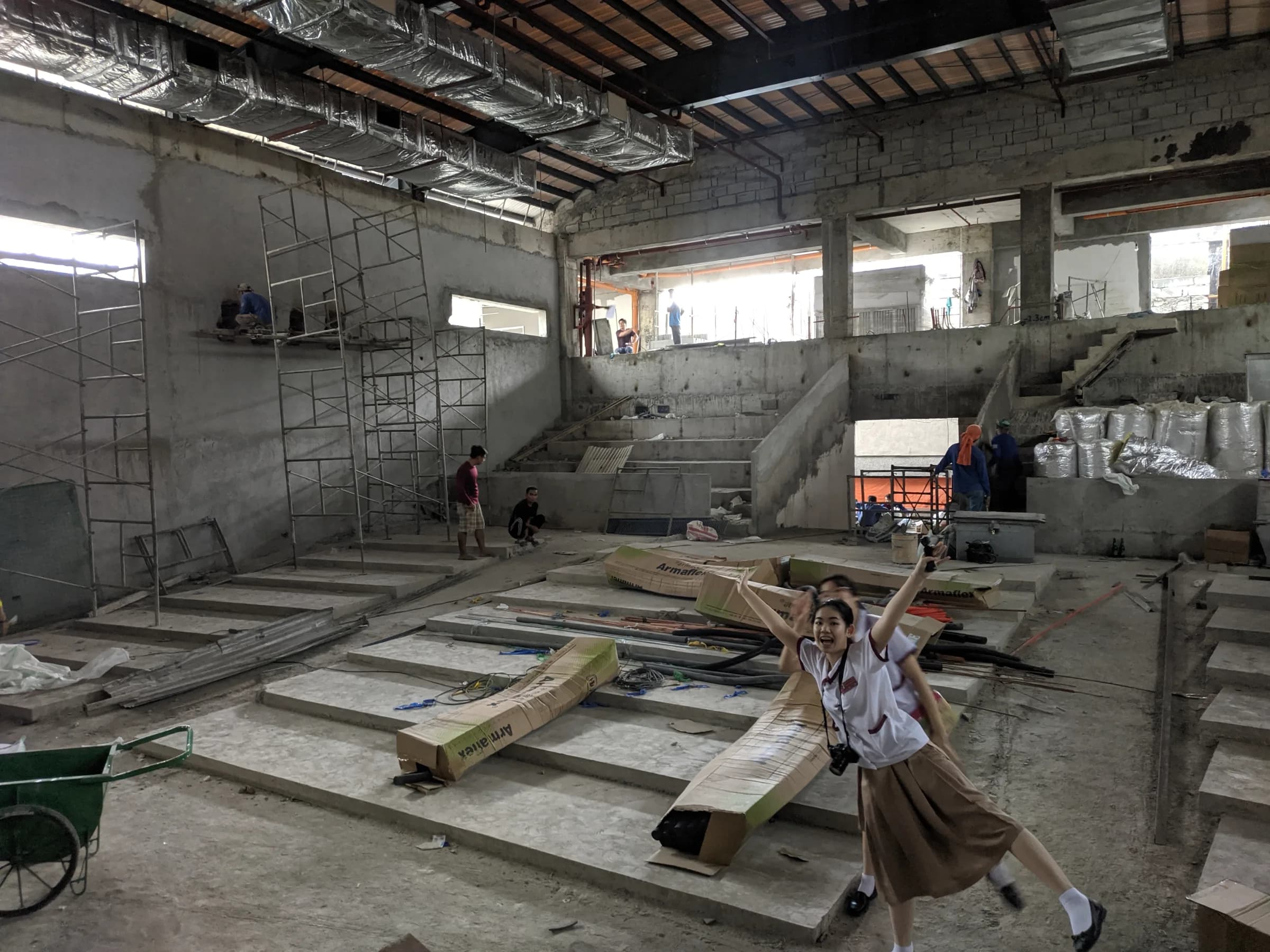
We visited the site often and watched it change week by week and month by month. Seeing its foundations, levels, and unfinished rooms become a complete structure gave me the central idea for the film: the pieces of the building coming together in front of us.
Building it before it was built
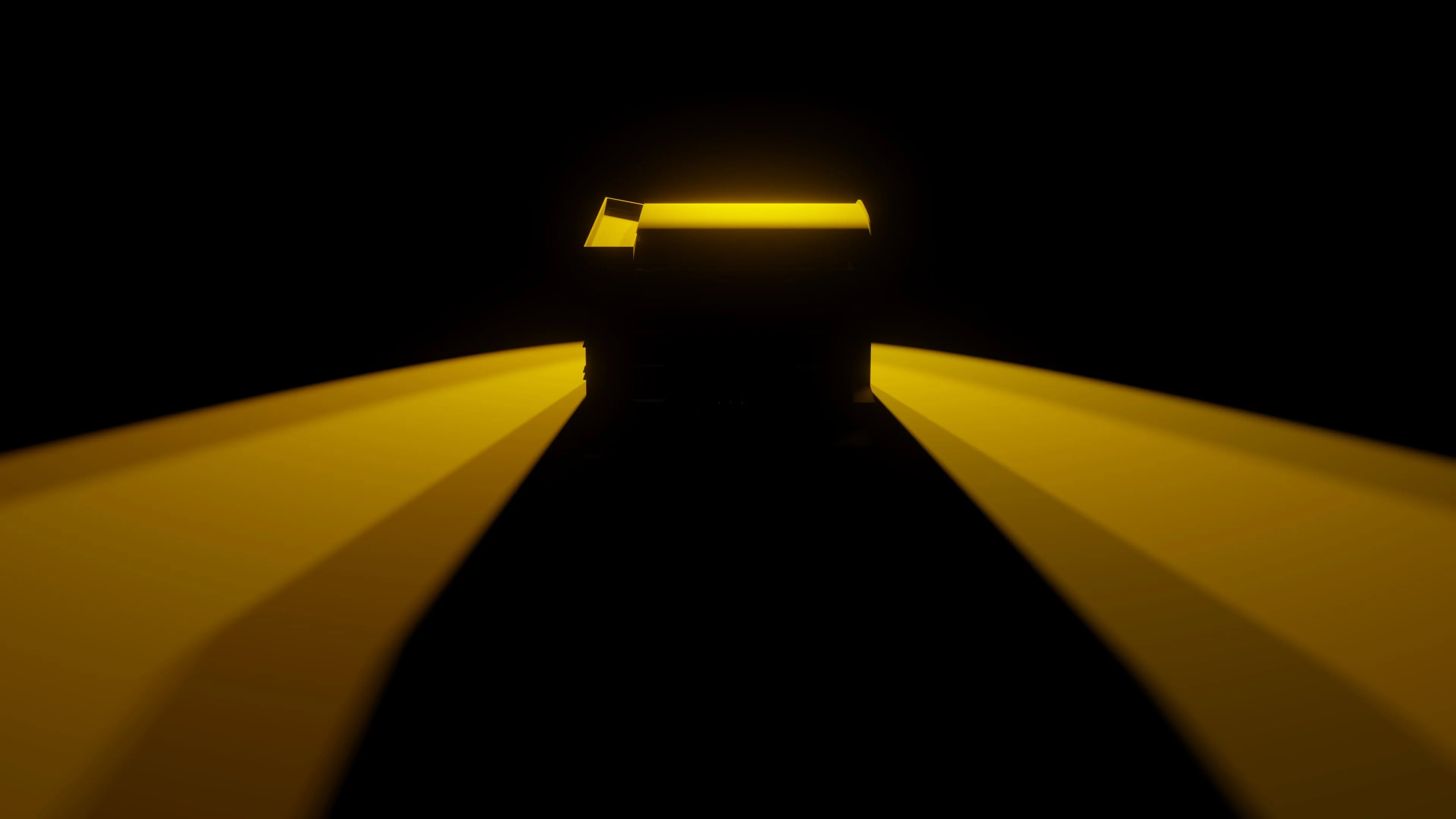
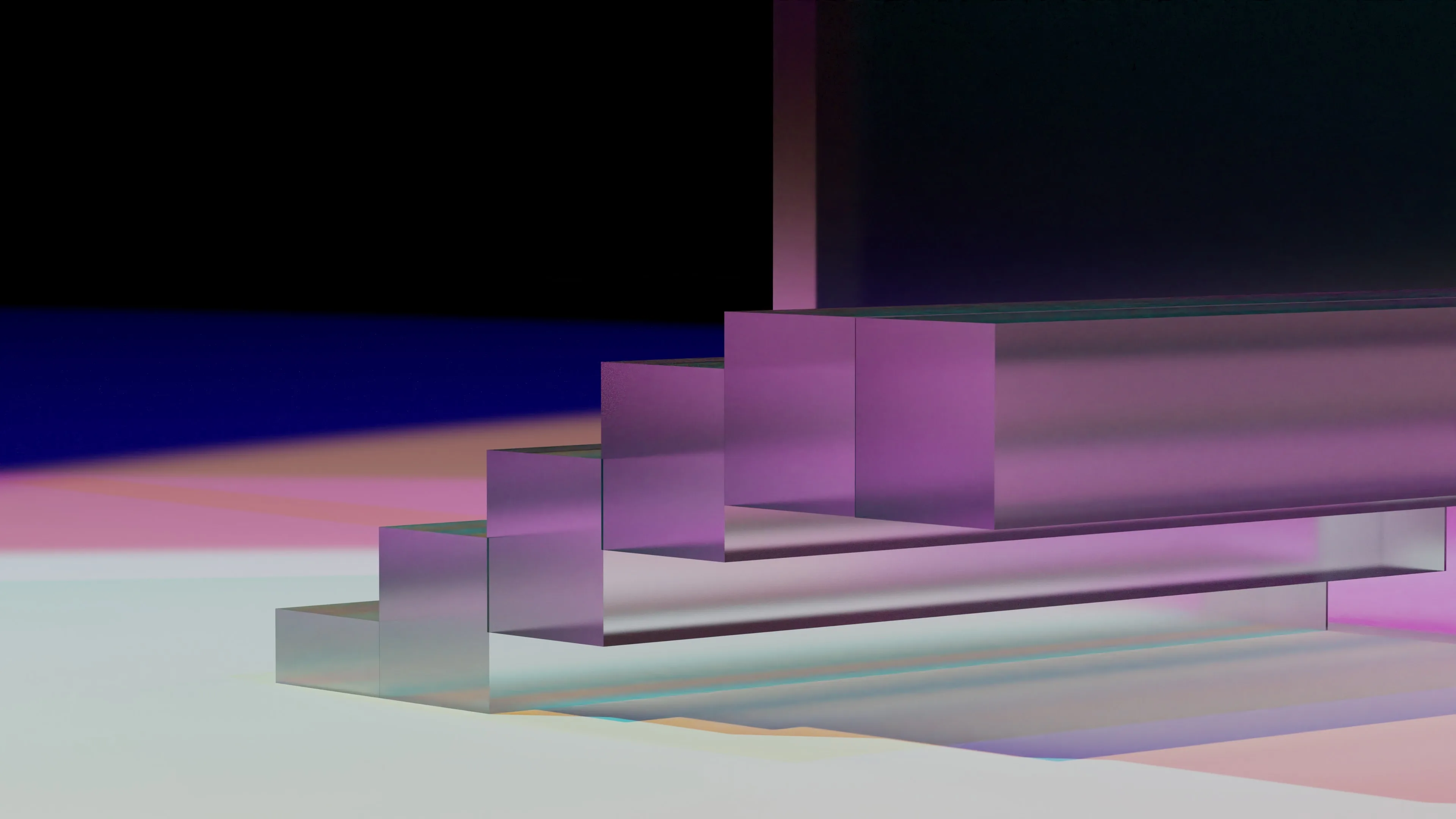
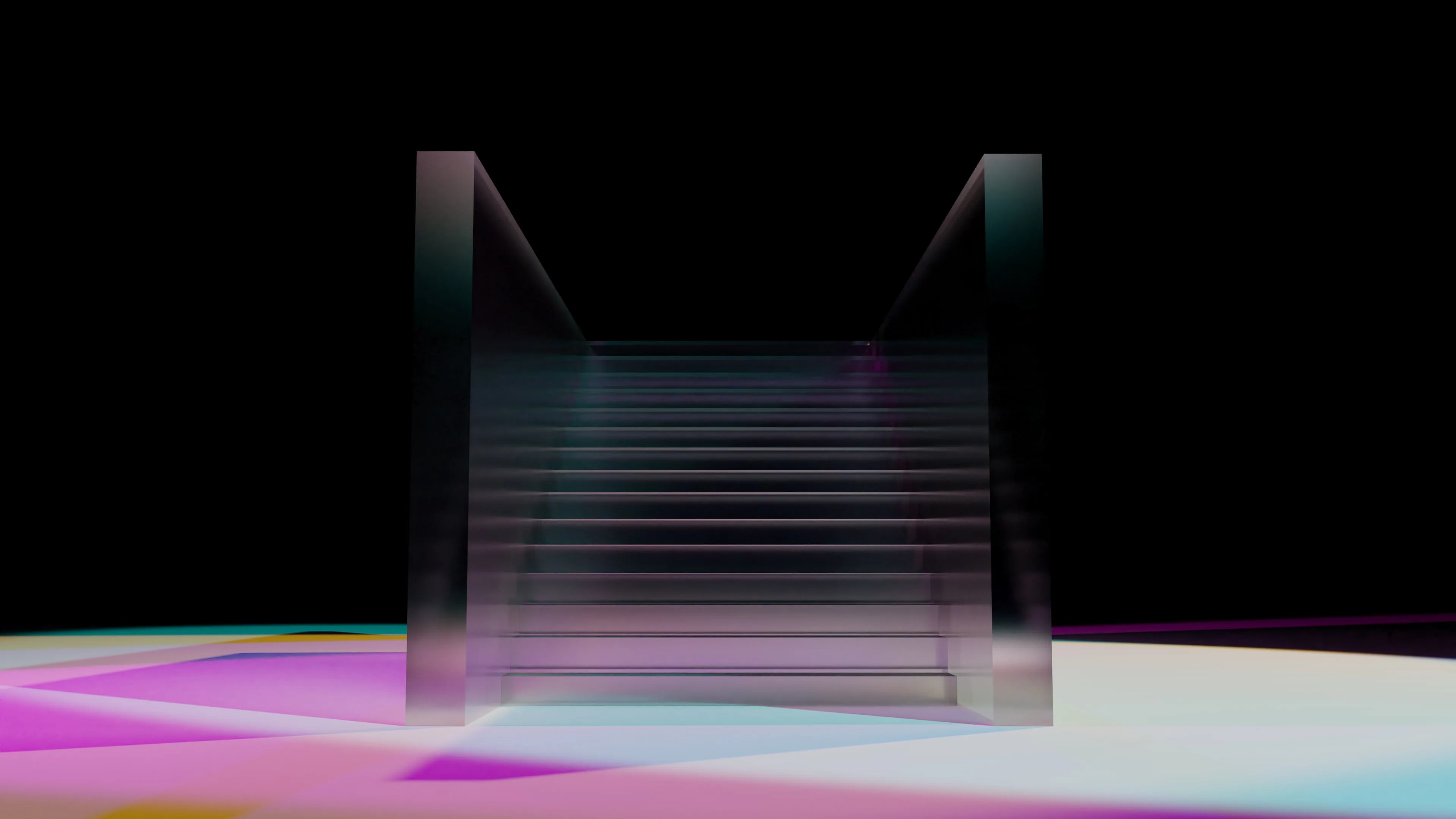
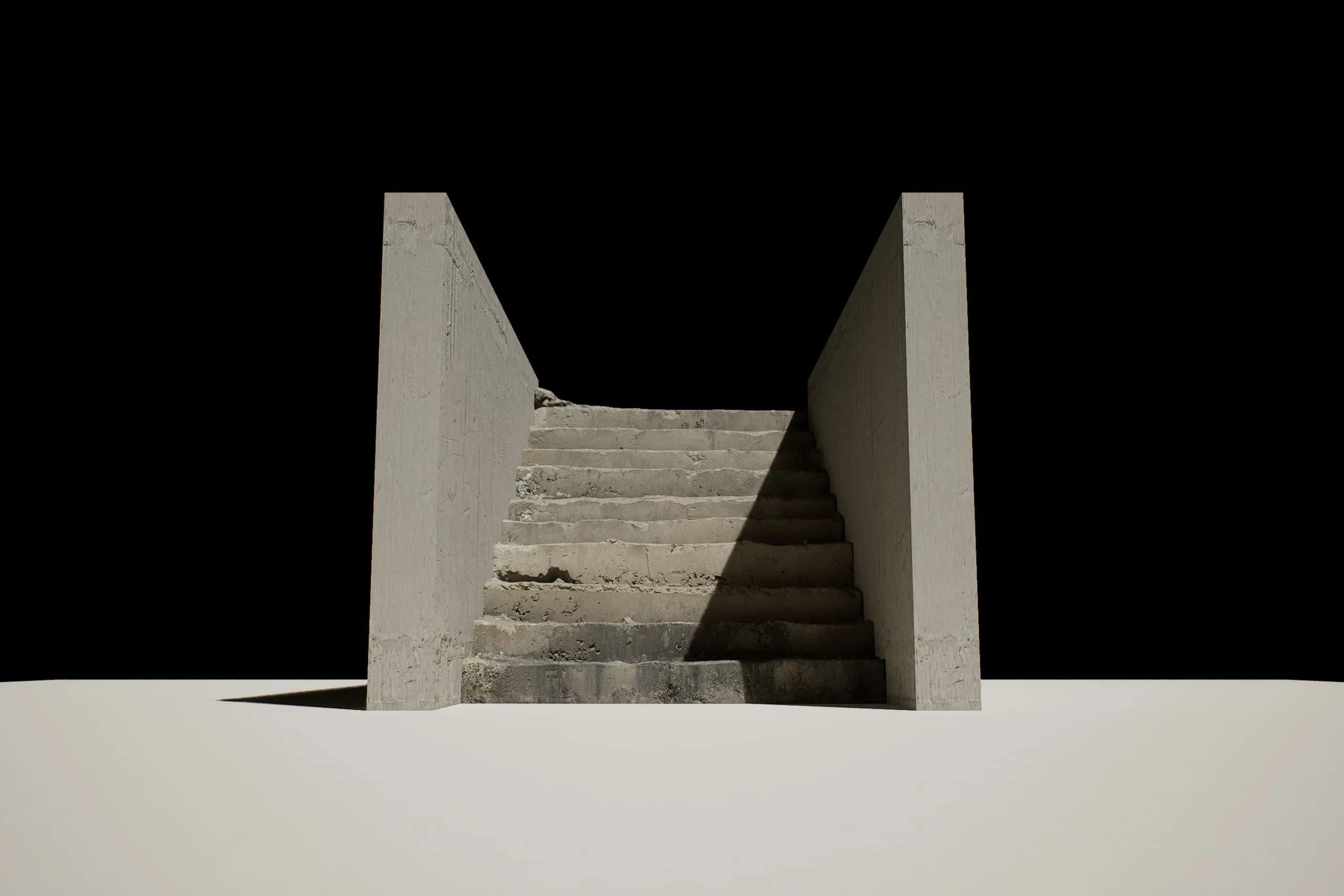
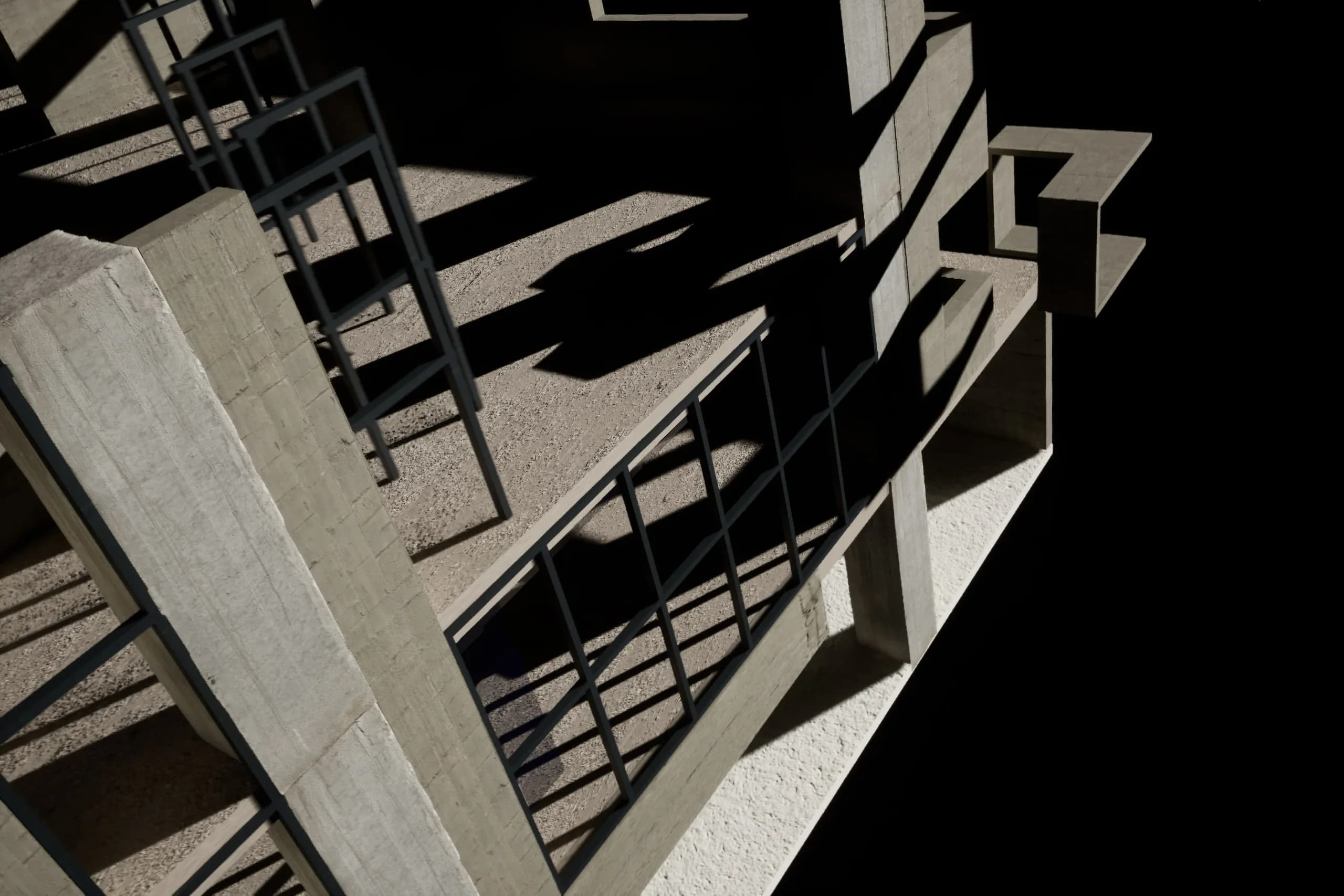
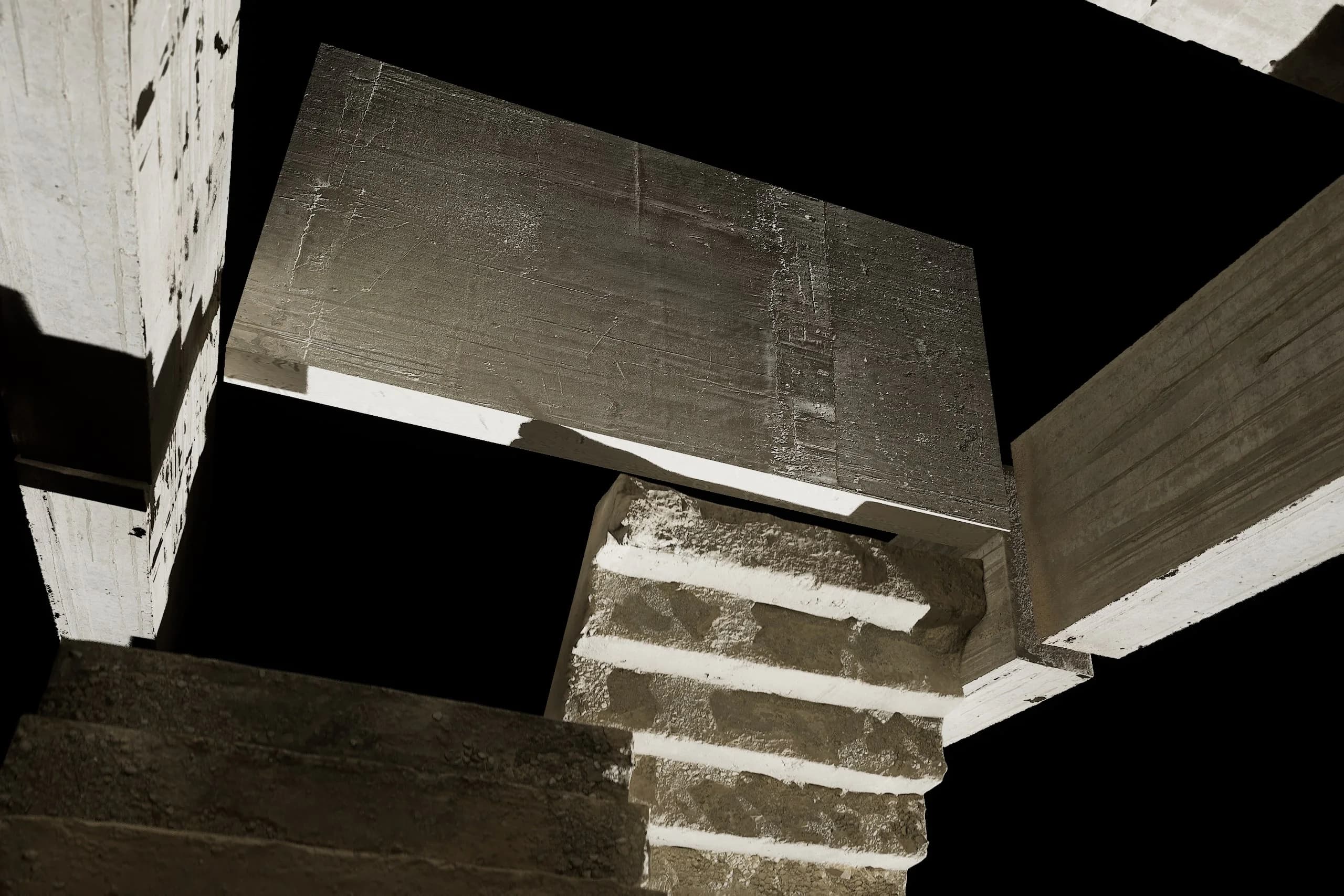
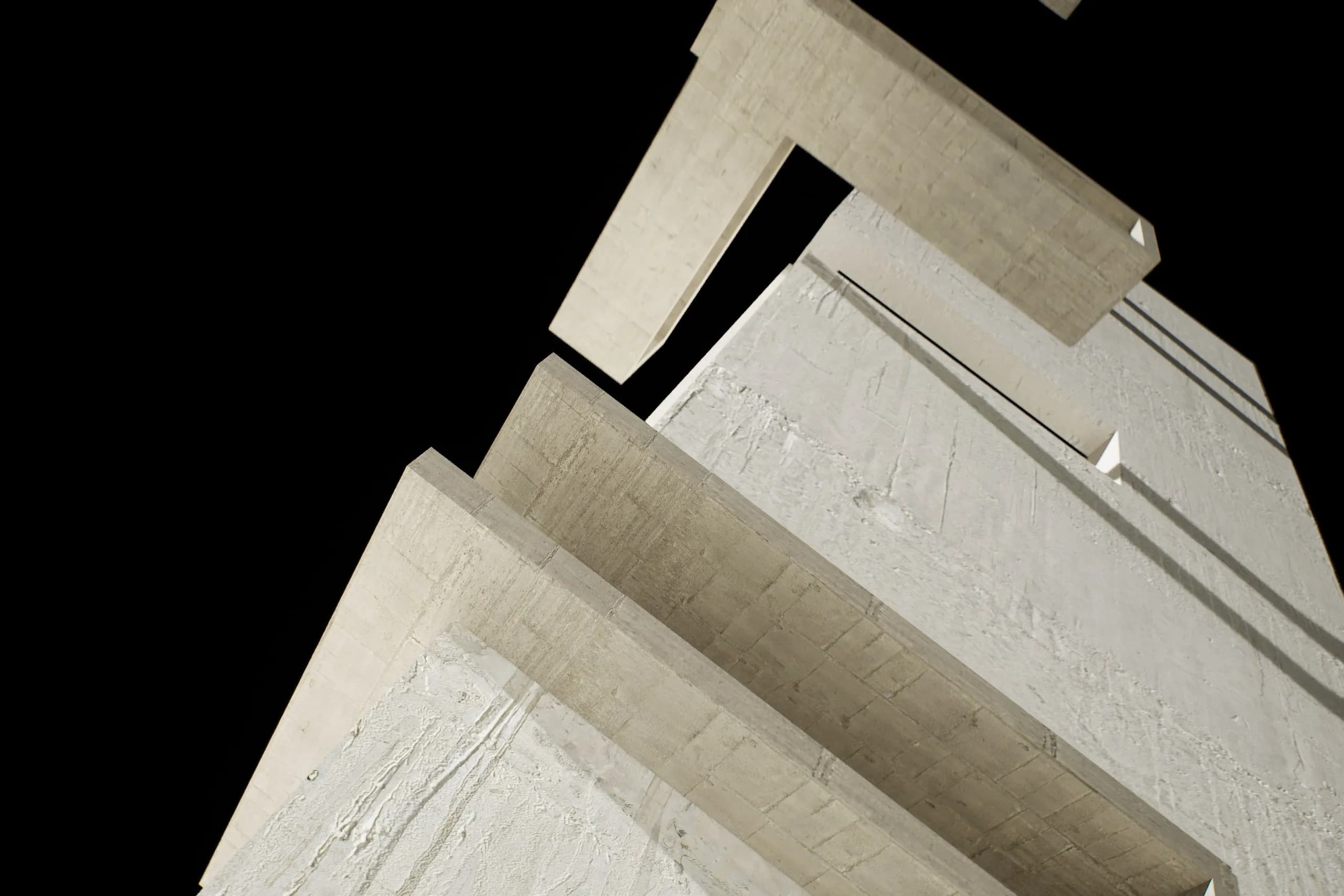
I kept thinking about Apple product introductions, where components move through darkness, align, and transform into a finished object. I wanted that same sense of assembly for a building that did not yet exist as a finished whole.
I began learning Blender for 3D modeling and animation, then used Unreal Engine for cinematic lighting, shadows, and more convincing environments. Ralph Acero helped create the 3D model. Working digitally let me isolate stairs, facades, and structural planes, then slowly bring them out of darkness and into light.
Unreal Engine 5 arrived at the perfect time when I returned to the project in 2022. Lumen let me change the lighting and see the result immediately, while Nanite kept the detailed 3D geometry running smoothly. Together, they let me iterate on the cinematics much faster.
The construction visits gave those sequences a real visual reference. Instead of inventing an abstract building from nothing, I could break down a place we had walked through and rebuild its pieces around one cinematic idea.
Twenty drafts
The 2019 production stretched across nearly four months. Riana Bautista and Ellise Lim led production with me, while Mr. Bugayong, Ms. Sadinas, and Mrs. Ramos also helped throughout the project. We storyboarded the speaking scenes, then gathered A-roll, B-roll, and drone footage across multiple shoots.
The edit was where everything finally took shape. We went through at least twenty drafts, cutting and recutting the live footage, spoken scenes, and 3D sequences until the pacing and transitions worked. The final film was shown at Gloria Maris in Greenhills in November 2019.
We were high school students making the most ambitious thing we knew how to make as an extracurricular project. What still makes me proud is how seriously everyone took it and how much each person brought to the final film.
Returning in 2022
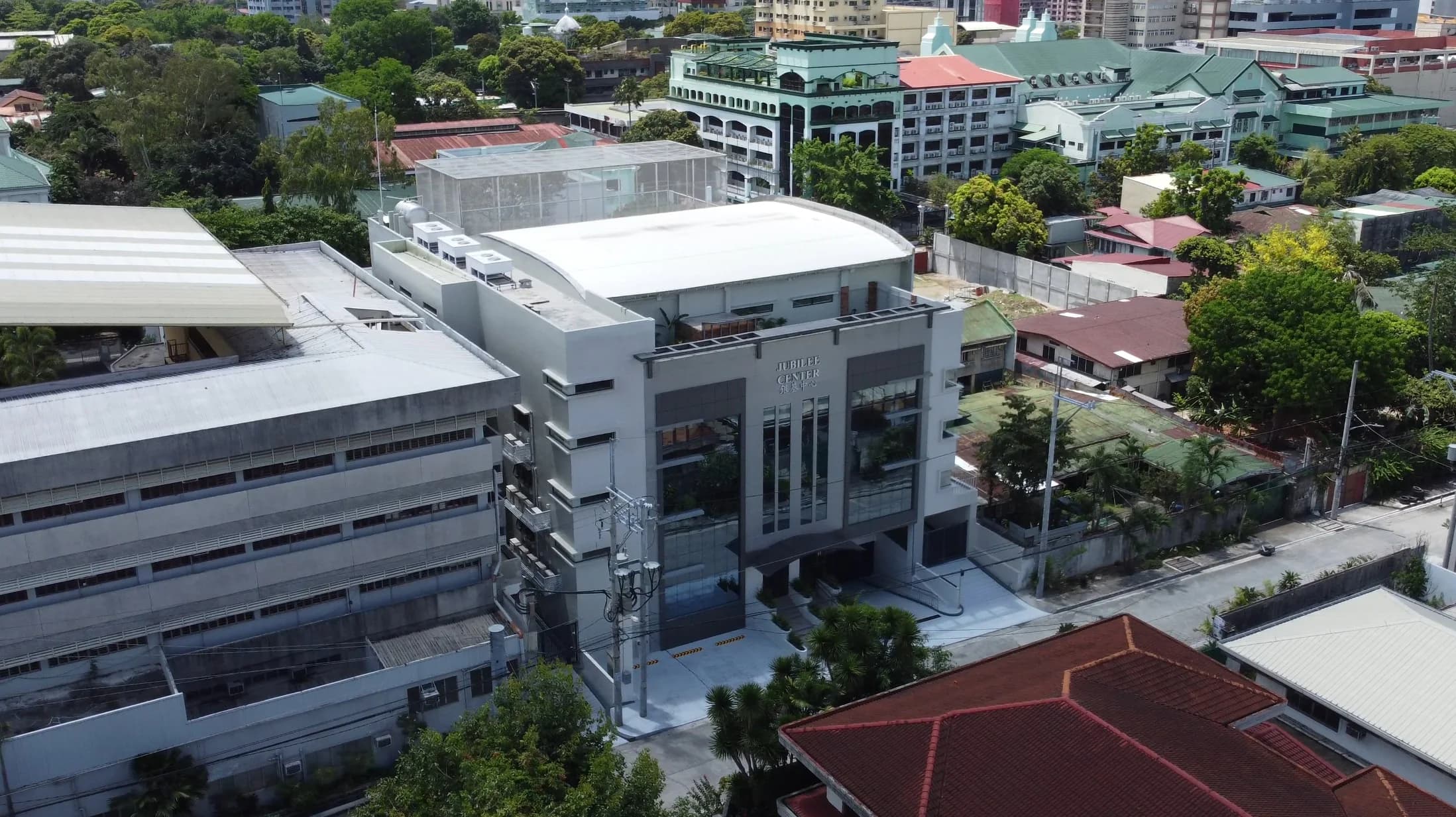
In 2022, after I had graduated, I returned to make a short cinematic for the Jubilee Center's opening event. Unlike the 2019 film, it did not carry the full story. It played as the introduction to the event and let the completed building speak through the visuals.
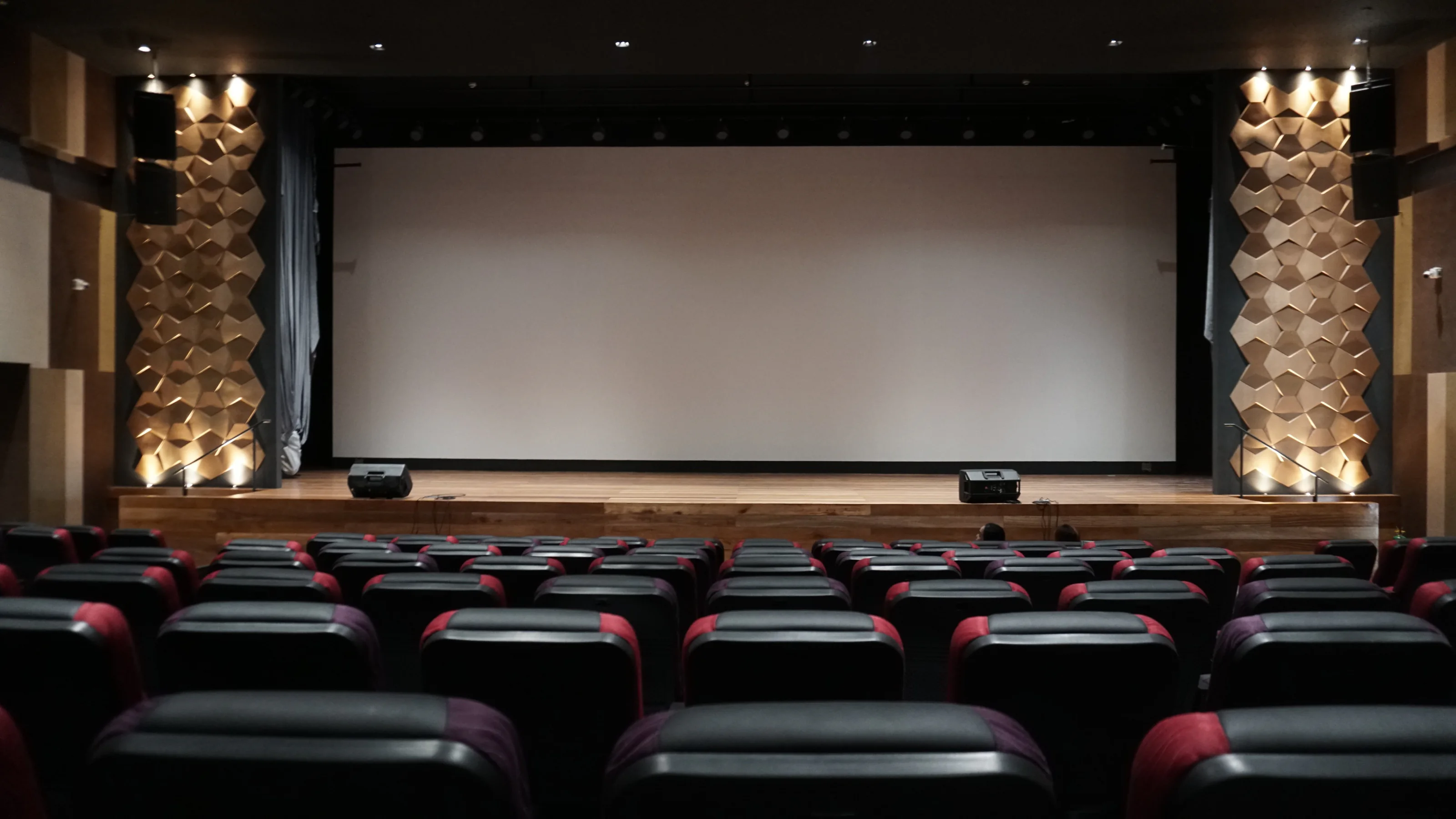
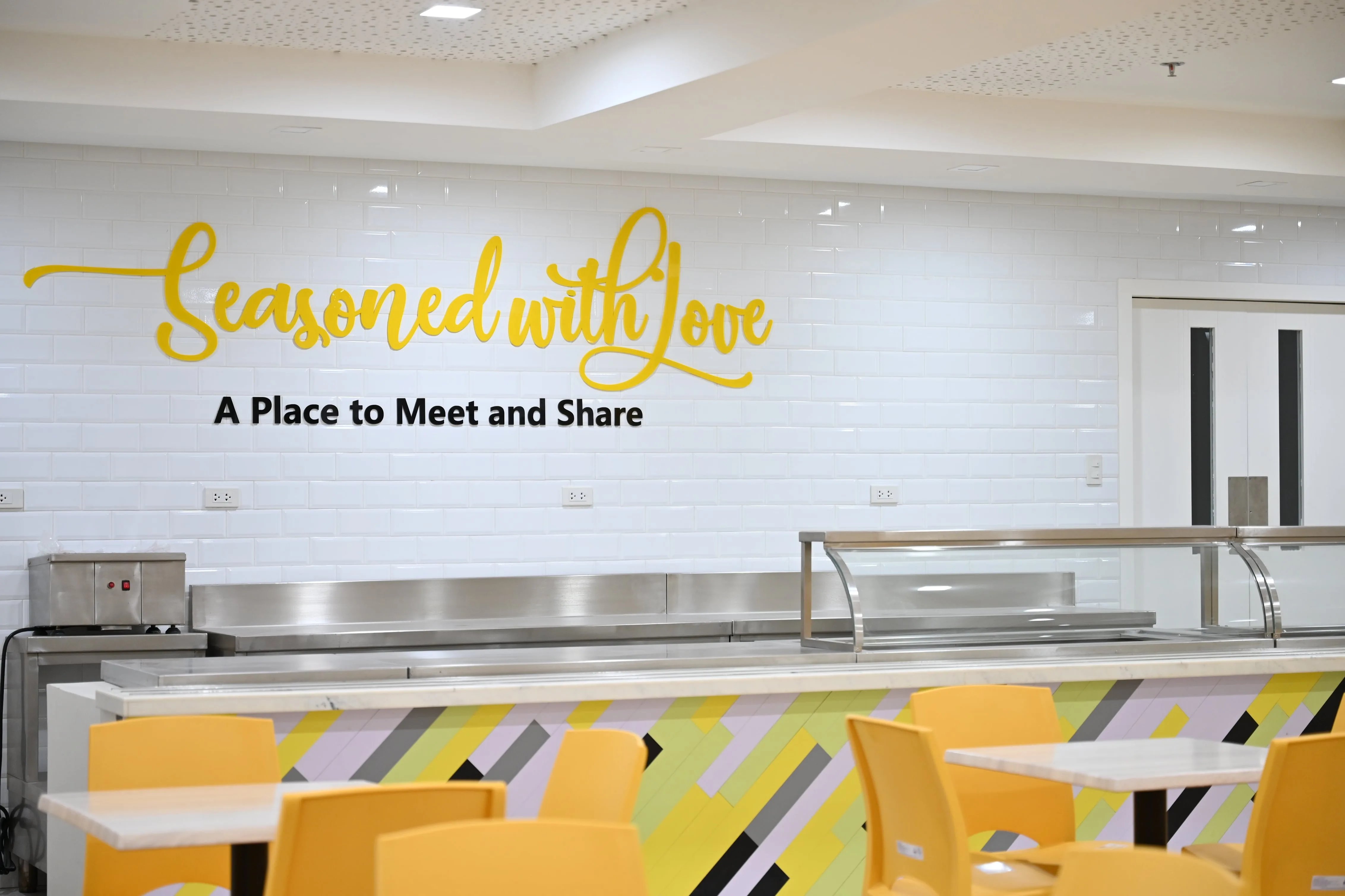
I could finally film the auditorium, dining hall, and other spaces as places people could actually move through and use. Andrei Sia and Carl Sia worked on video, while Franz Lao and Meredith Lim supported the production.
The same assembly idea from 2019 now had a finished building to resolve into. I refined the original sequences around that new endpoint, connecting the structure we had watched rise with the place it eventually became.
Looking back
Jubilee Center gave me room to explore visual storytelling before I knew where that interest would lead. I am grateful that my high school trusted us with the opportunity and that the multimedia team brought together students who wanted to make something ambitious.
The Unreal Engine cinematics remain some of the work I am proudest of. I still watch the architecture emerge from an abstract black space, move into light, and assemble into a finished whole and think: goddamn, that is beautiful.
I love this project because it holds more than a film. It records a building taking shape, a team of students growing into their own roles, and the moment visual media became something I knew I wanted to keep pursuing.