
Sundae Camera
I have always loved photography and videography. Cameras felt less like equipment and more like an invitation to pay attention: to light, framing, timing, and the small decisions that shape how an image feels.
I got an early start by playing with my dad's cameras, but for a long time photography and programming still felt like separate interests. Building Sundae helped me realize that both are really about orchestration, bringing many small decisions together until they express one clear idea.
The camera I had with me
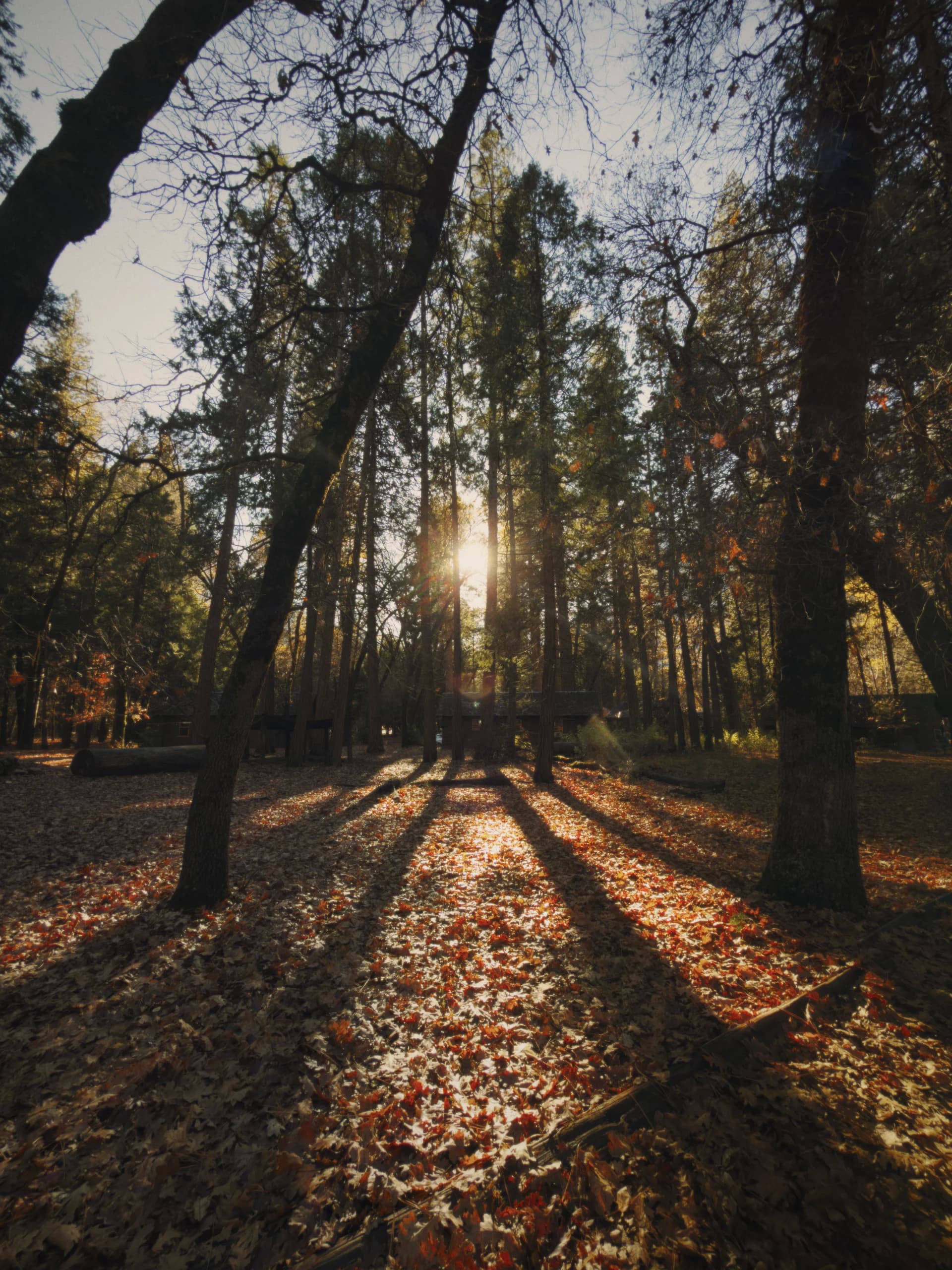
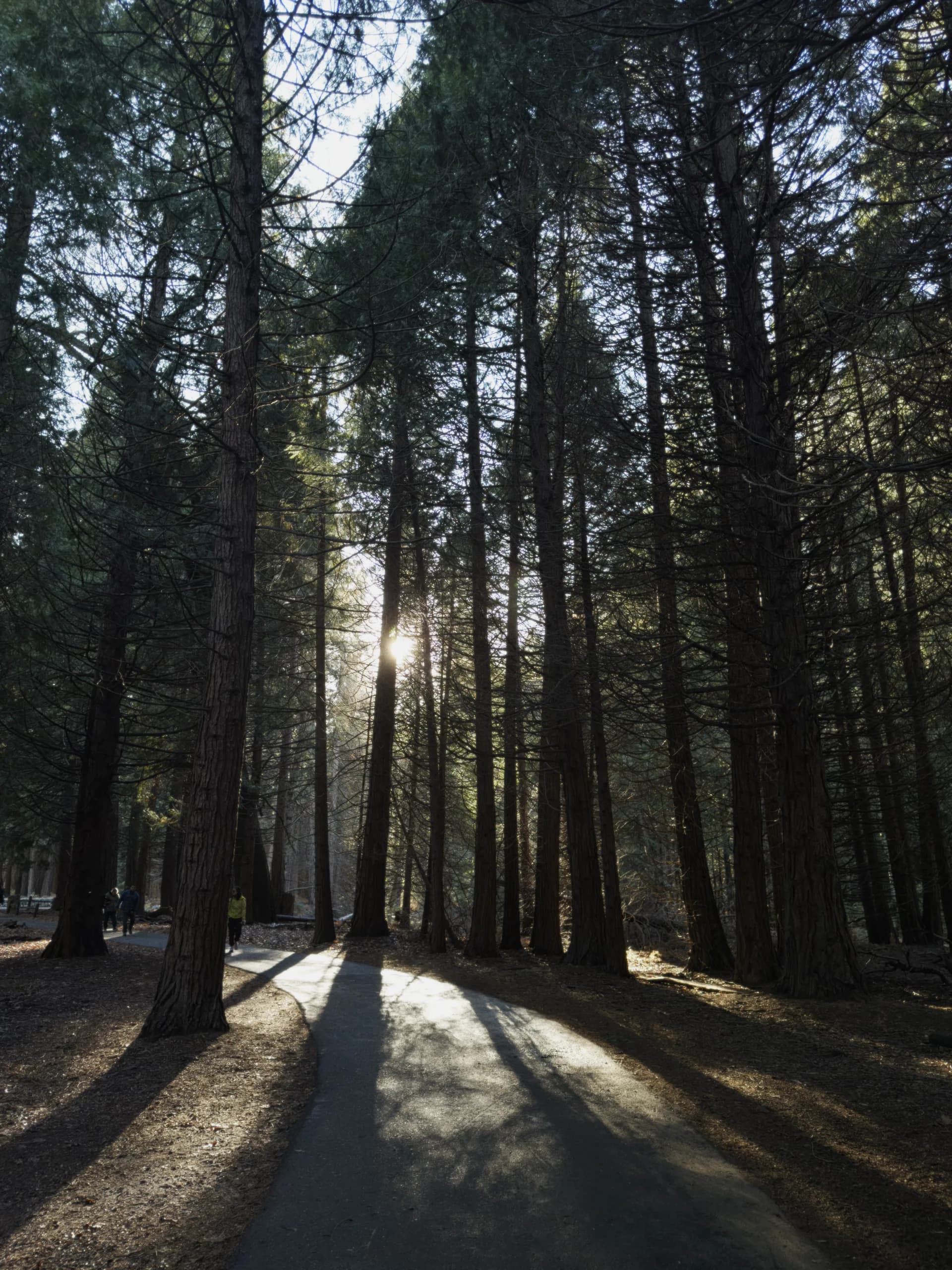
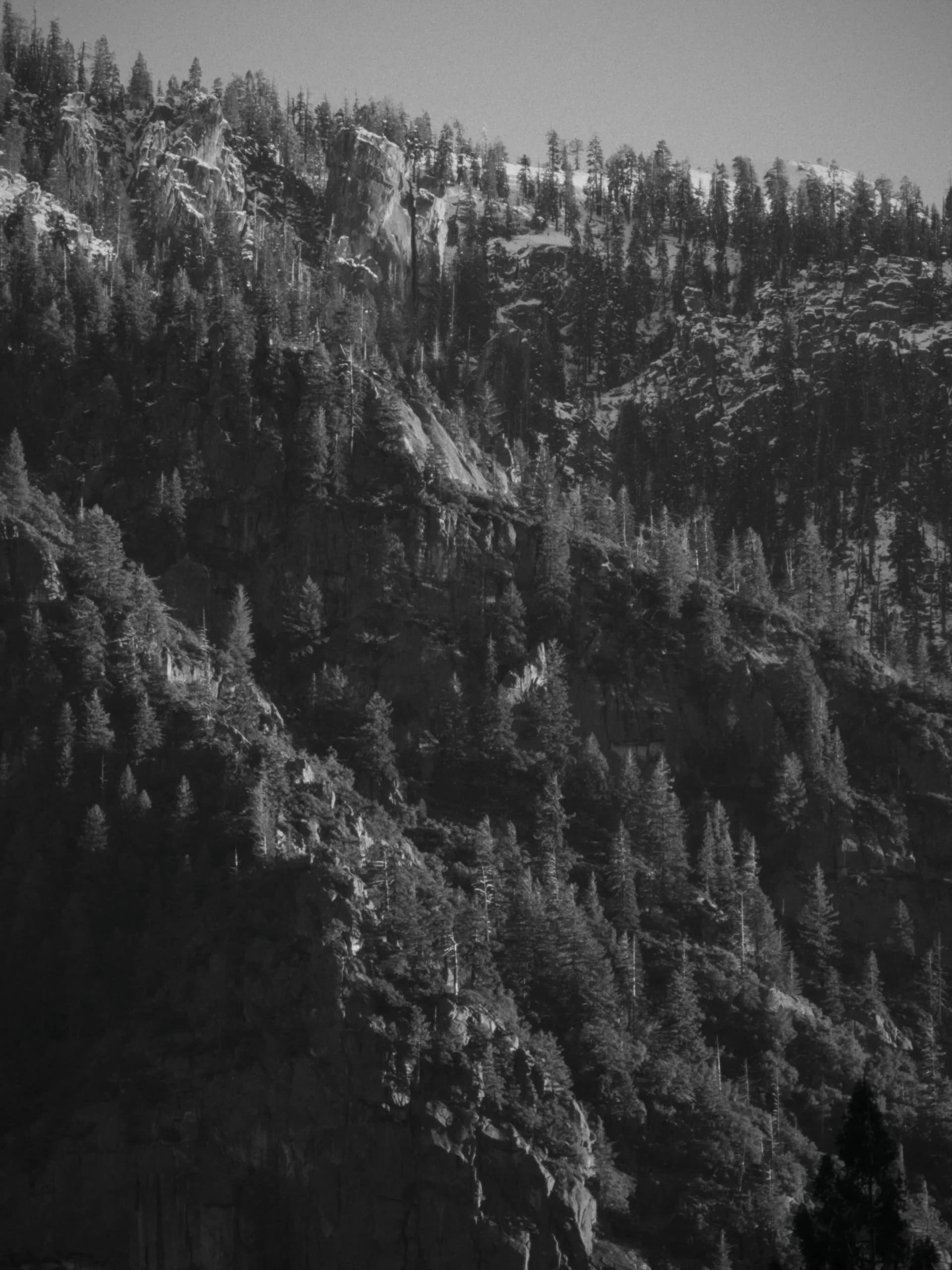
Sundae began in November 2025, during my first visit to the United States. I had travelled from the Philippines to Yosemite and found myself surrounded by granite walls, forests, and light unlike anything I had seen before. I wanted to photograph all of it, but I had not brought my camera. I only had my iPhone.
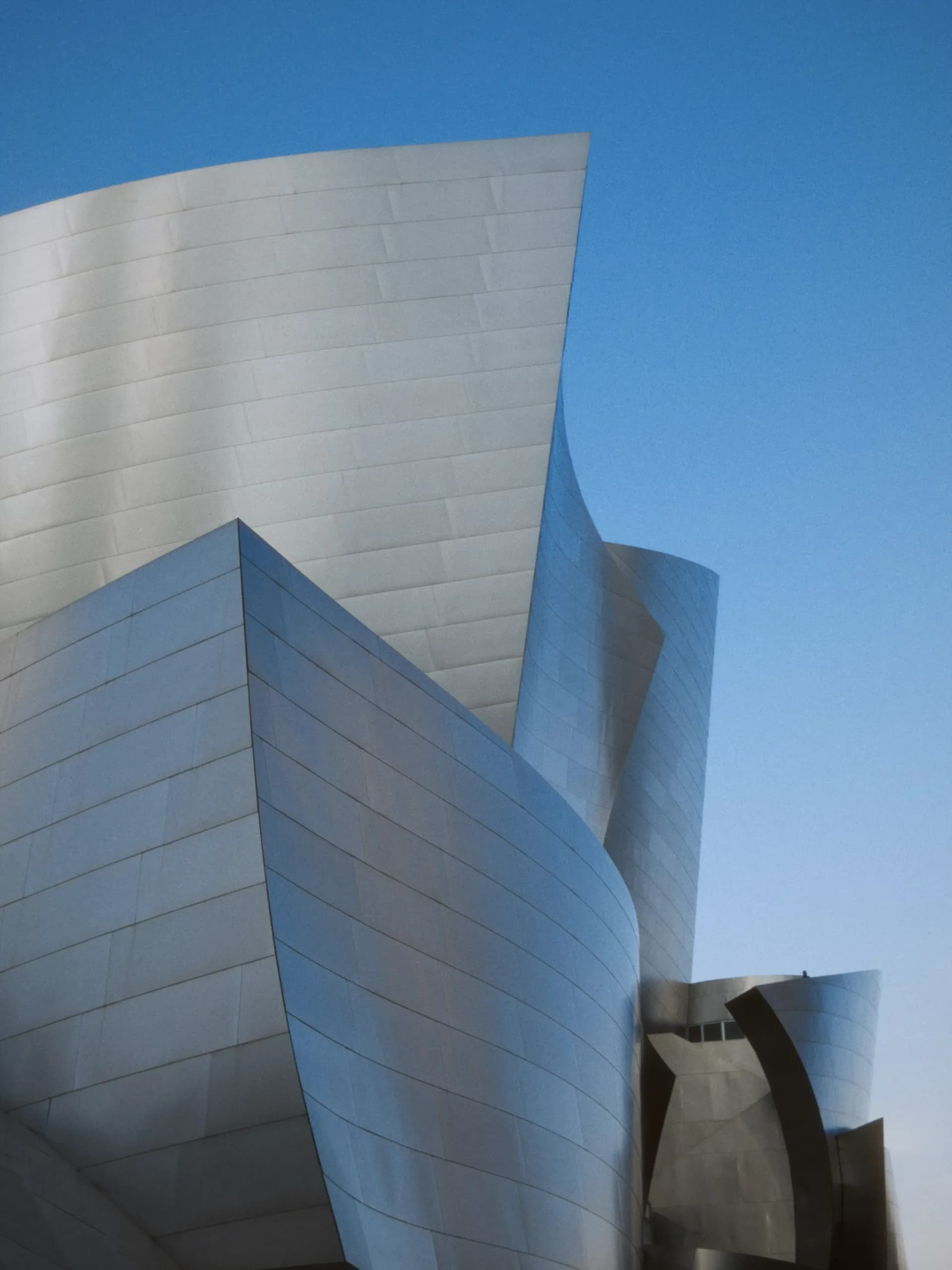
The iPhone is an incredible camera, but its photographs can have a recognizable look. Sometimes the processing becomes part of the image before the photographer has decided what the image should feel like. Standing in Yosemite, I kept wondering what would happen if the camera in my pocket rendered the landscape more naturally, with some of the character I associated with a DSLR or mirrorless camera.
Could I build an iPhone camera whose photos did not look like they were shot on an iPhone?
A slider is never just a slider
Sundae was my first Swift project. Most of my previous work had been in Next.js and TypeScript, so native iOS development was new territory. AI-assisted development tools such as Codex helped me explore unfamiliar parts of the platform, but the project still required me to understand what the camera was actually doing. Over time, Swift became one of the parts I enjoyed most. It is direct, expressive, and gives me access to the capabilities of the device without hiding them behind another layer.
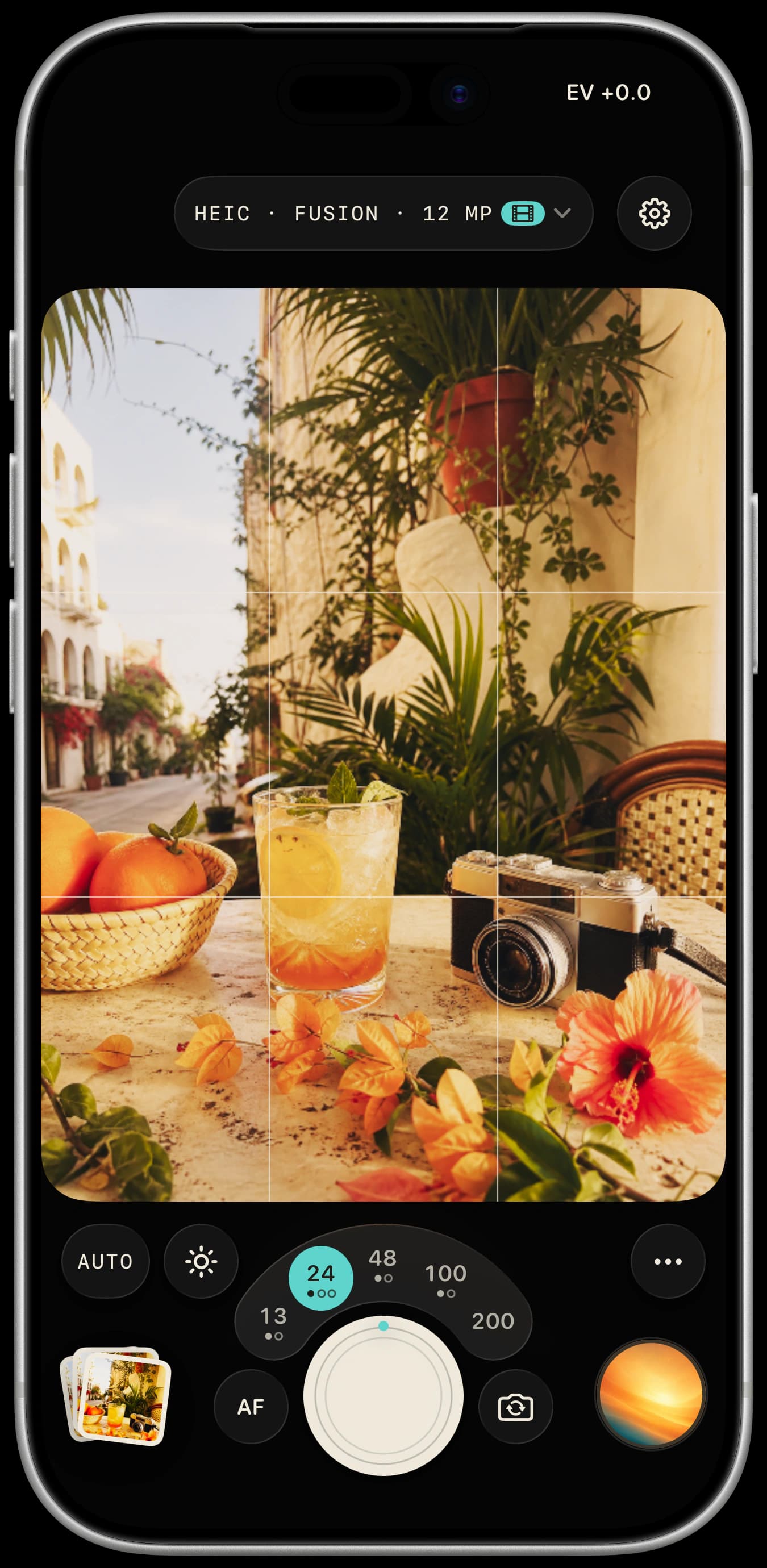
The biggest surprise was how much mathematics sits underneath controls that appear simple. Exposure is presented as a slider, but when you are building the camera, you have to decide what every movement of that slider means. The same is true for contrast, tone, color, and the relationship between what appears in the viewfinder and what becomes the final photograph.
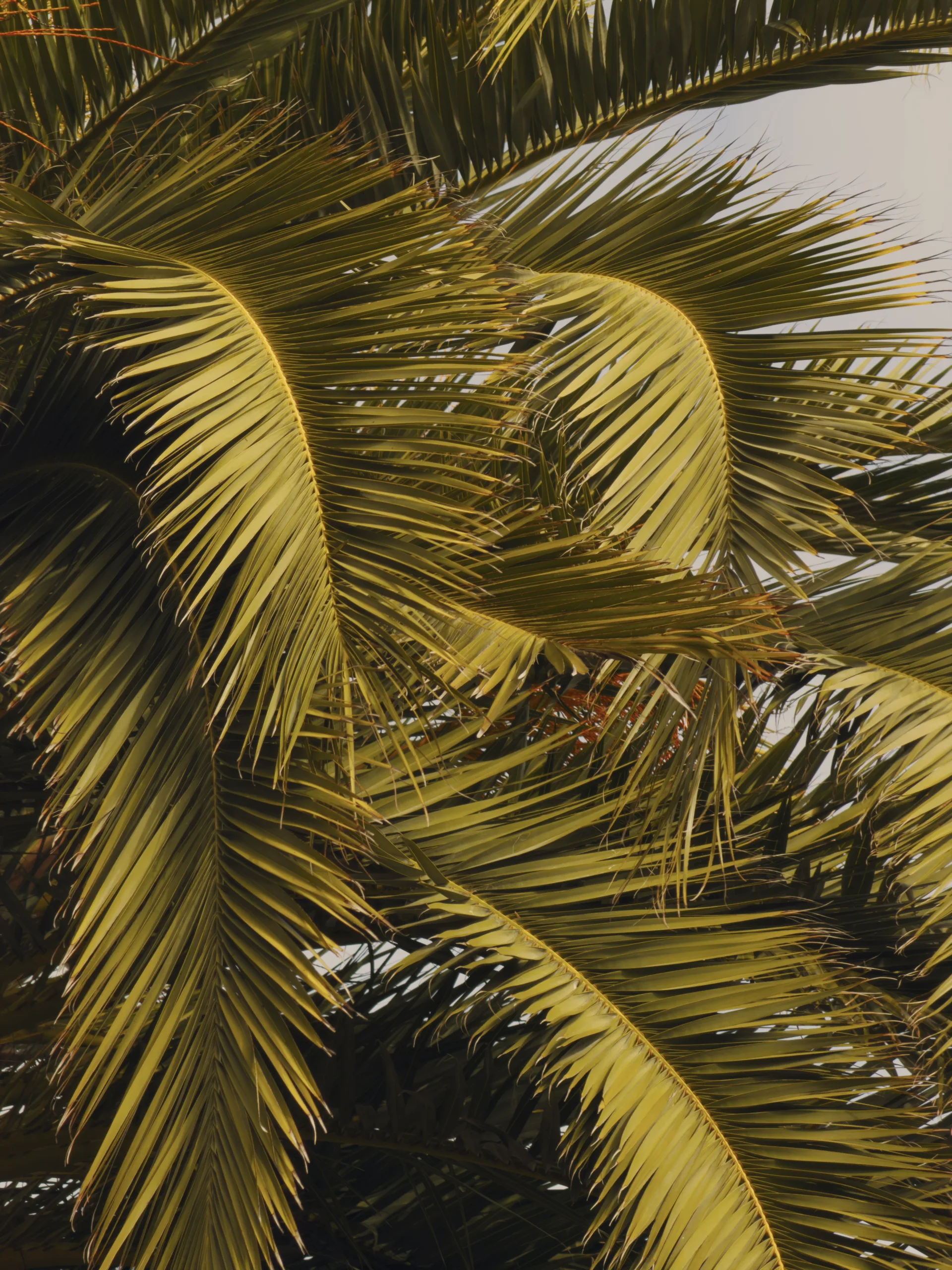
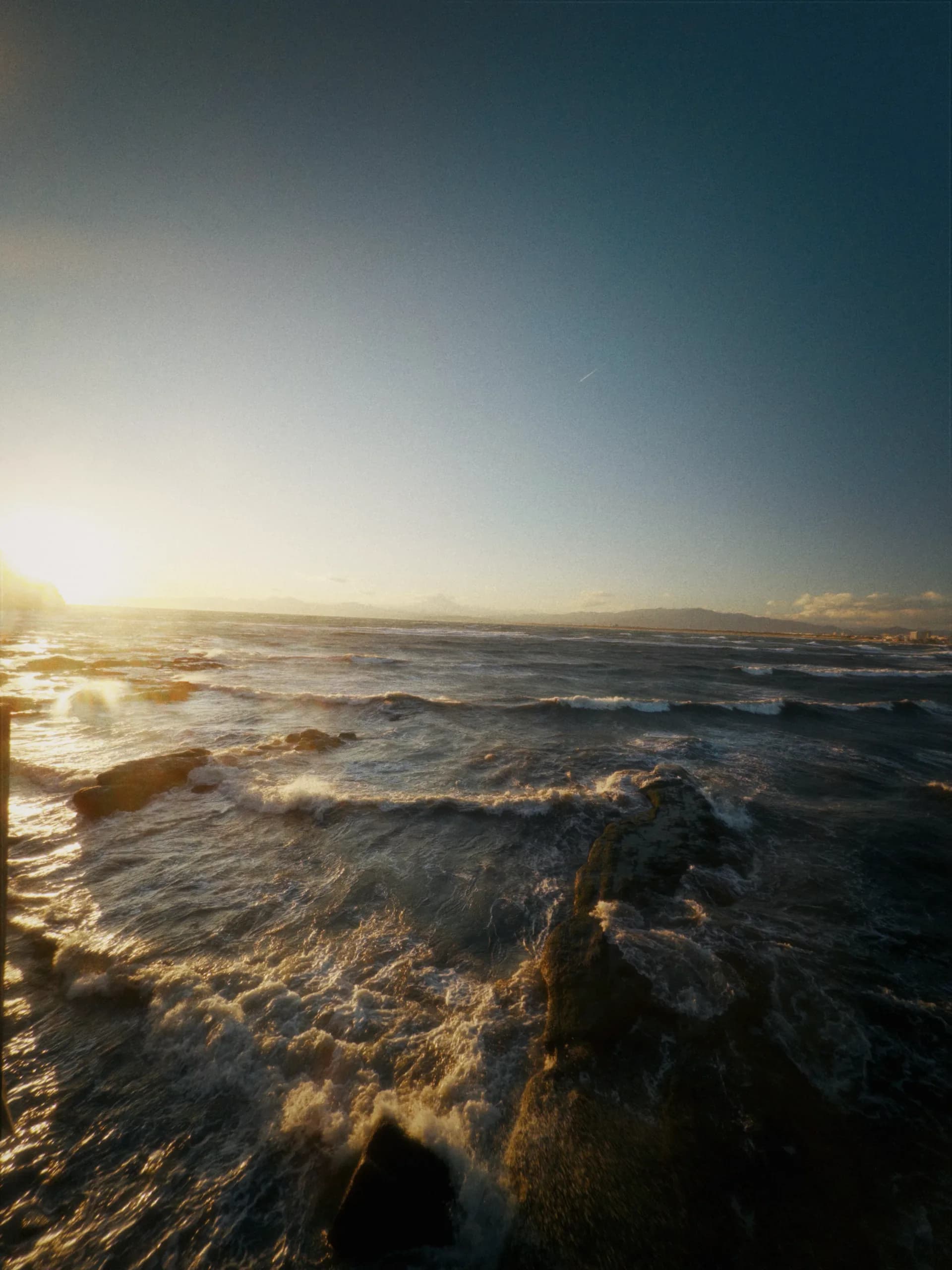
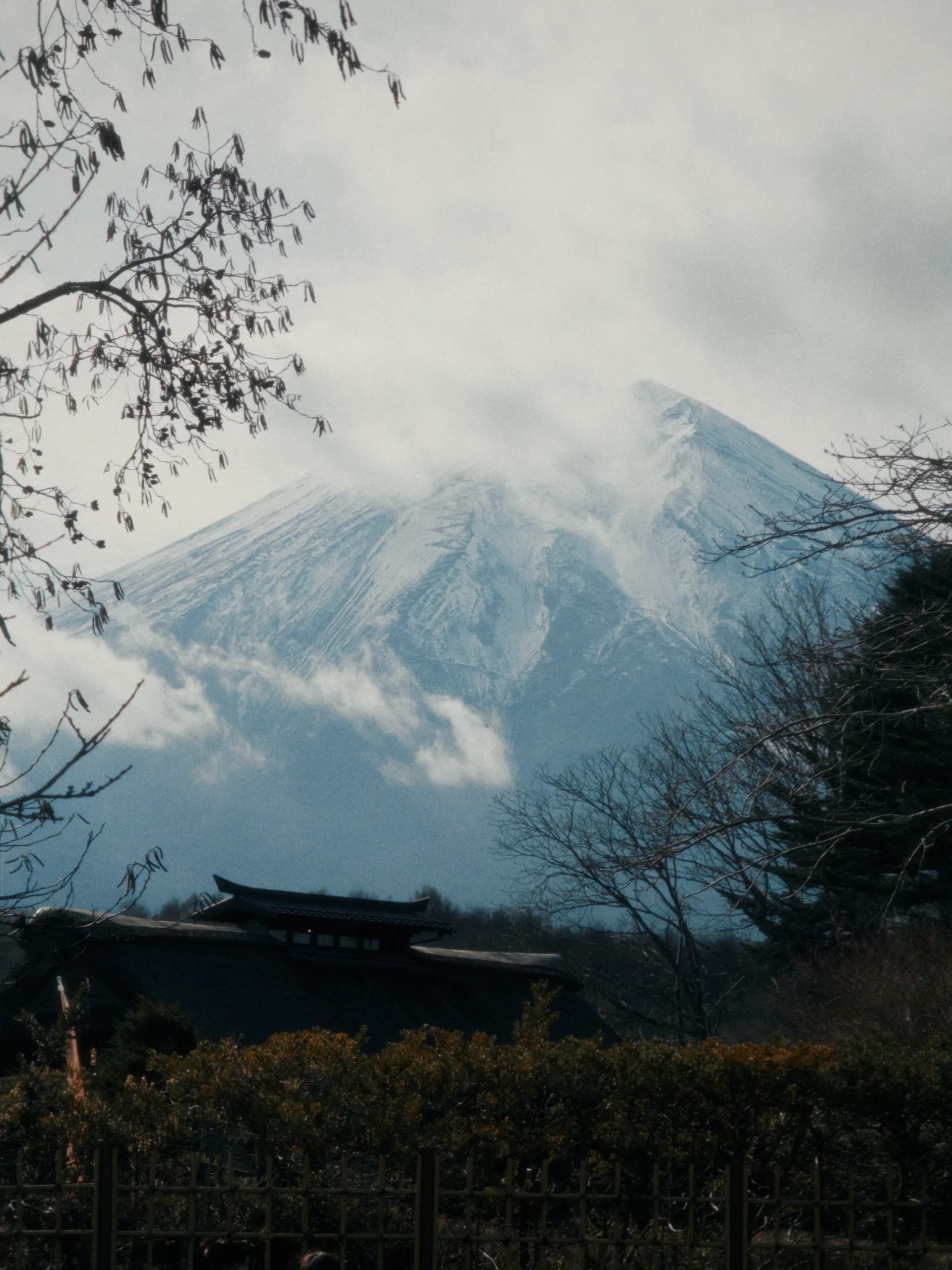
I built a custom image pipeline and tone mapping instead of relying only on the iPhone's default rendering. I was not trying to reject computational photography. I simply wanted to ask whether a phone camera could do a little less, feel more natural, and show me something closer to what I intended when I pressed the shutter.
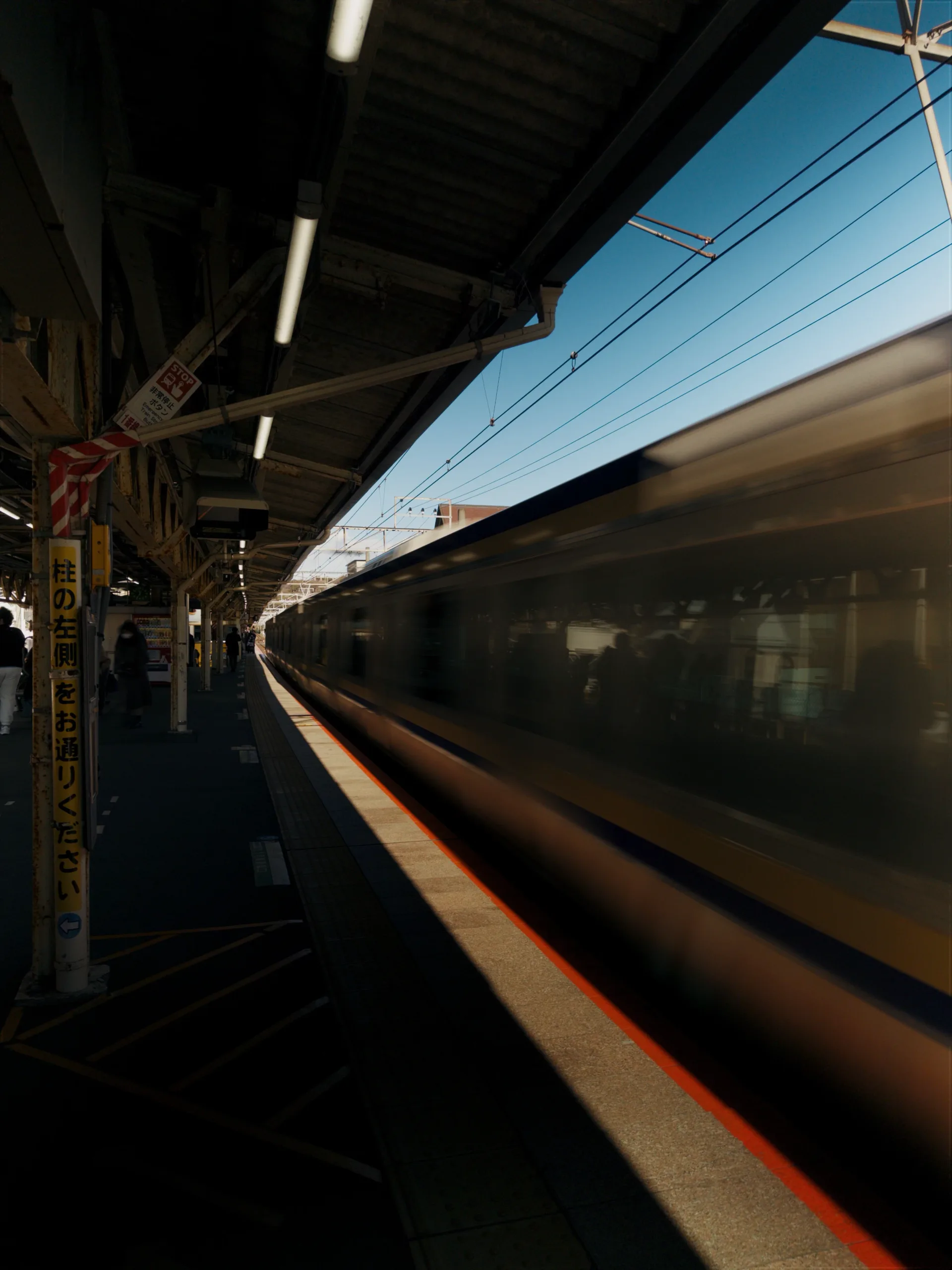
By late May and early June 2026, Sundae had become mature enough for me to test seriously. Friends would sometimes reply to my photographs on Instagram and ask which camera I had used. They expected Sony, Nikon, or Canon. The answer was an iPhone, followed by a lot of careful work on how the image was captured and developed.
How I want to see the world
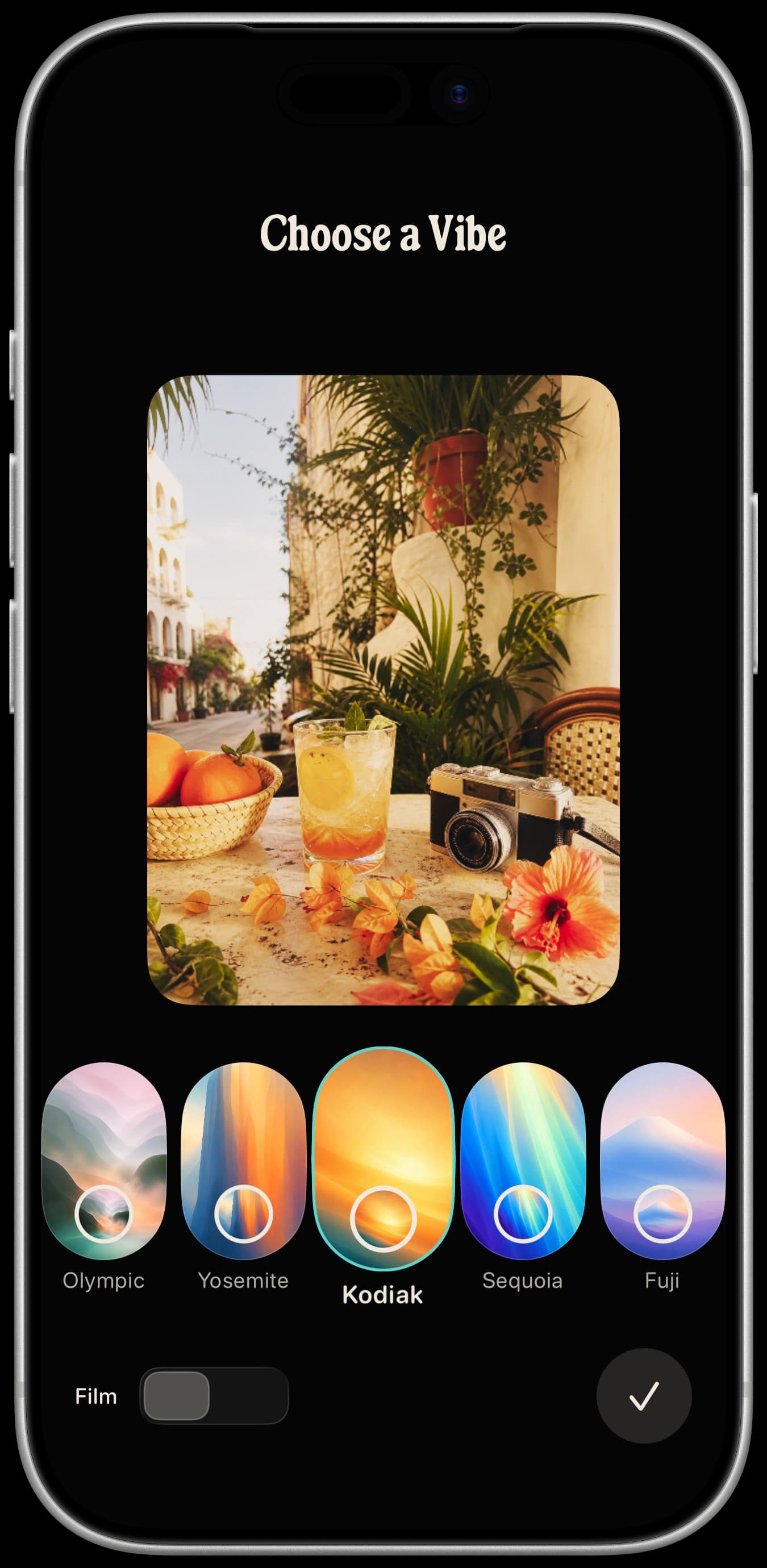
Vibes are not just filters. They are moods and subjective interpretations of how I see the world, or how I want to remember it. A Vibe influences how Sundae captures and develops a photograph from the moment I press the shutter. I can change it later, but changing a finished image does not always recreate the photograph I would have made with that Vibe selected from the beginning.
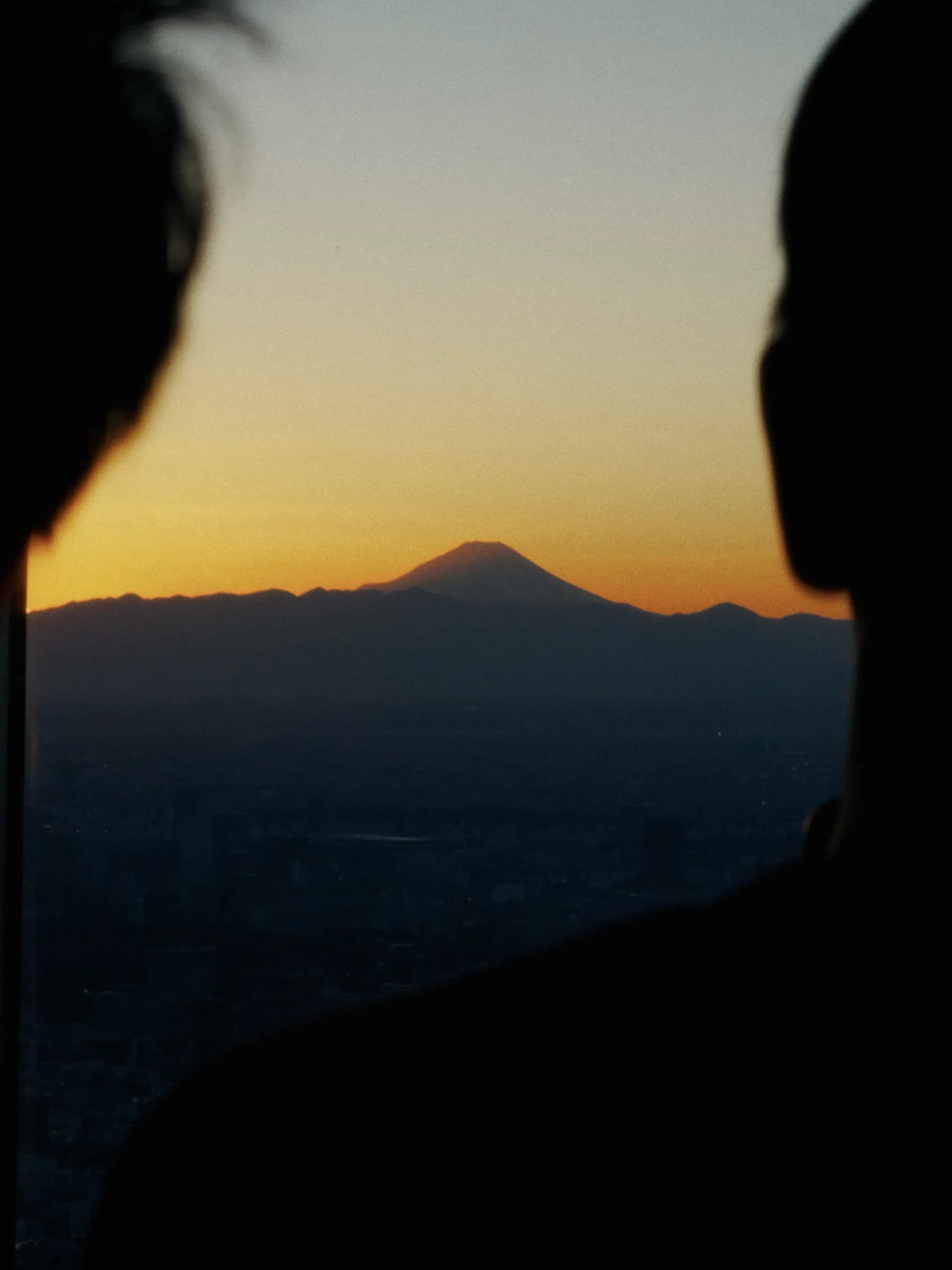
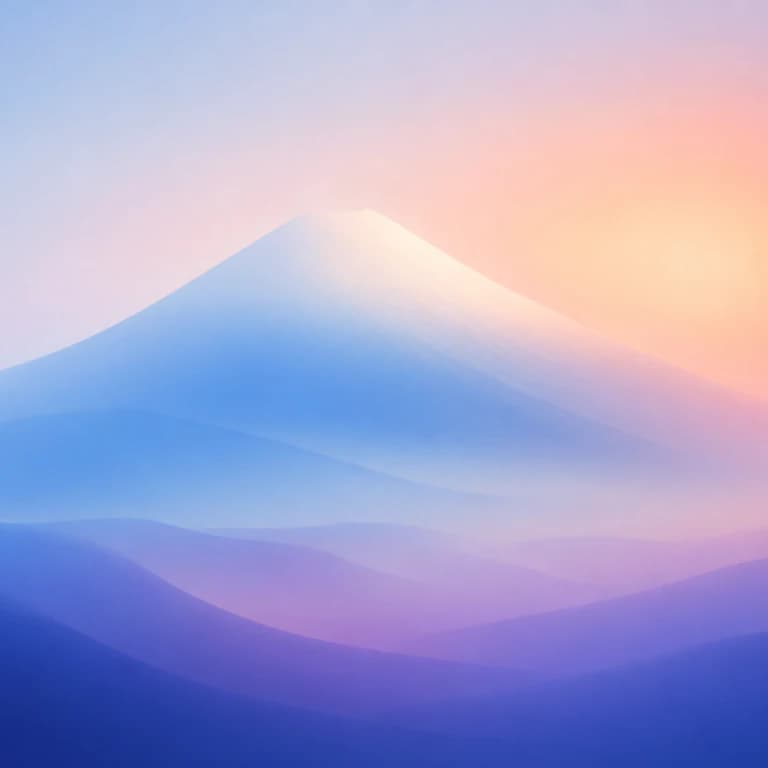
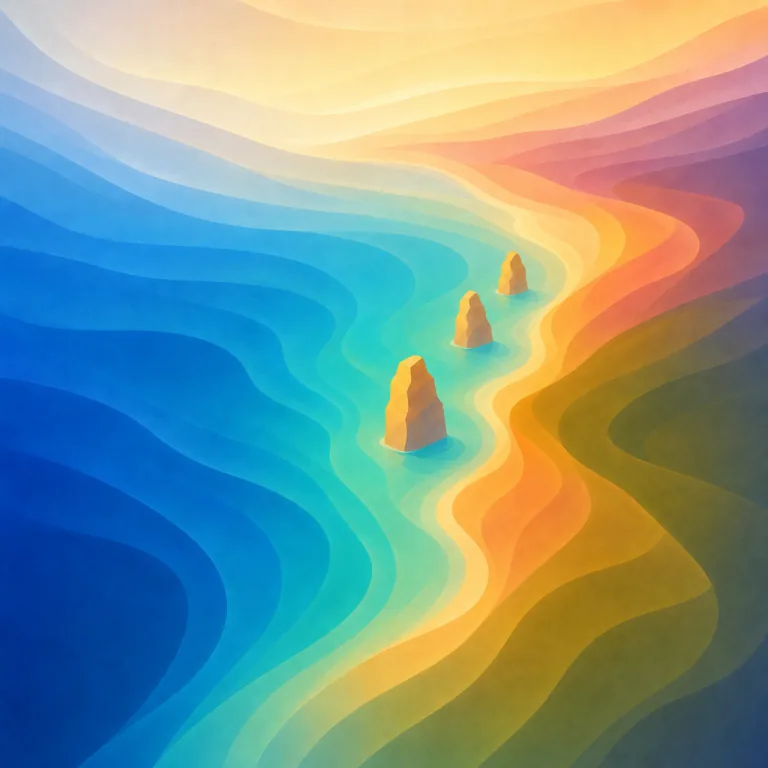
I named the Vibes after places because places carry a particular light and feeling. Yosemite, Sequoia, and Fuji come from landscapes I have experienced myself. The names help me remember that color is never completely objective. It is part observation, part memory, and part the story I want the photograph to tell.
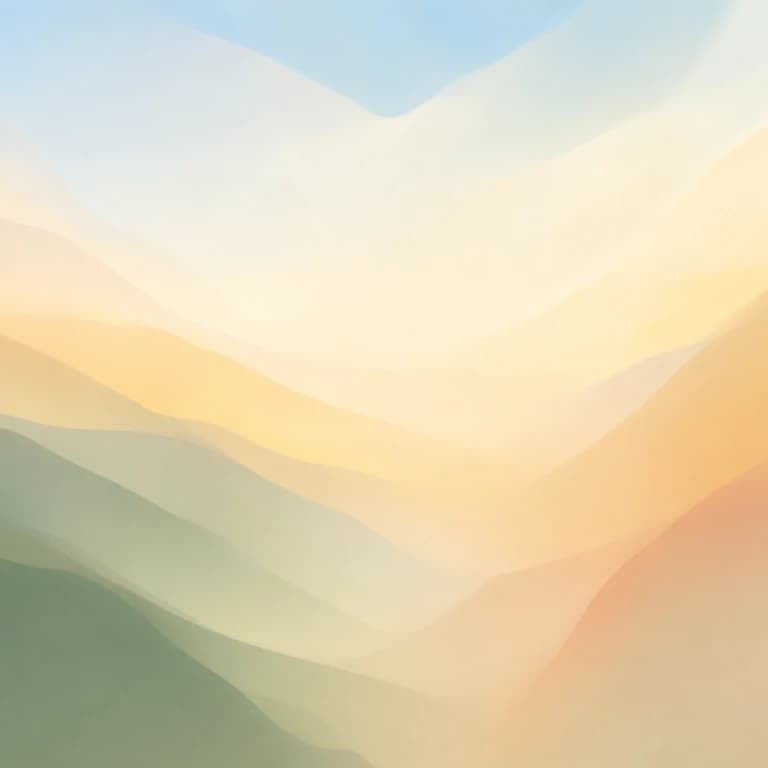
The artwork took inspiration from Apple's macOS identities, where releases named after places in California are expressed through abstract gradients that suggest the landscape. I liked how a place could become a mood instead of a literal illustration, so each Vibe uses color and shape in the same spirit.
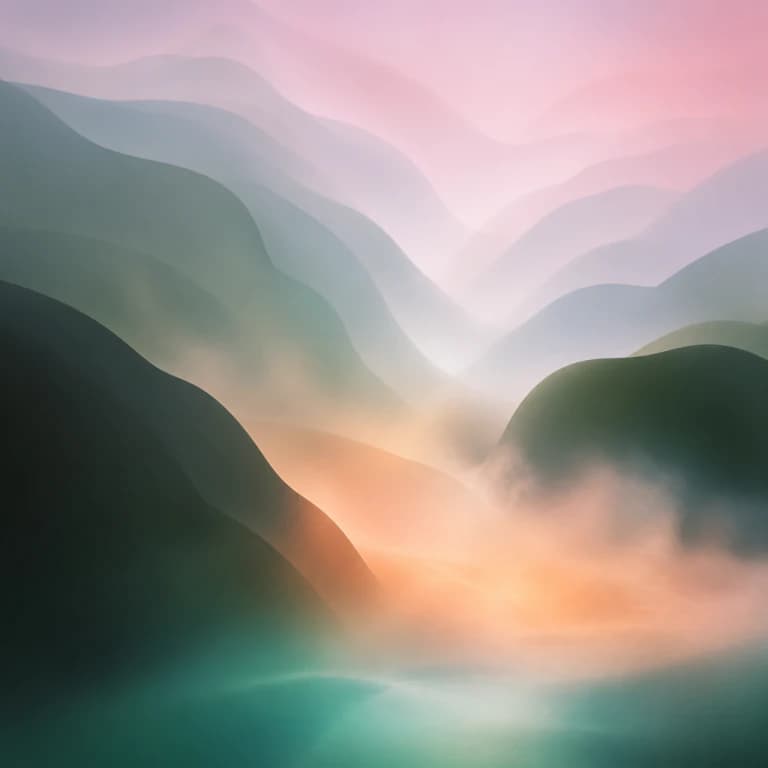
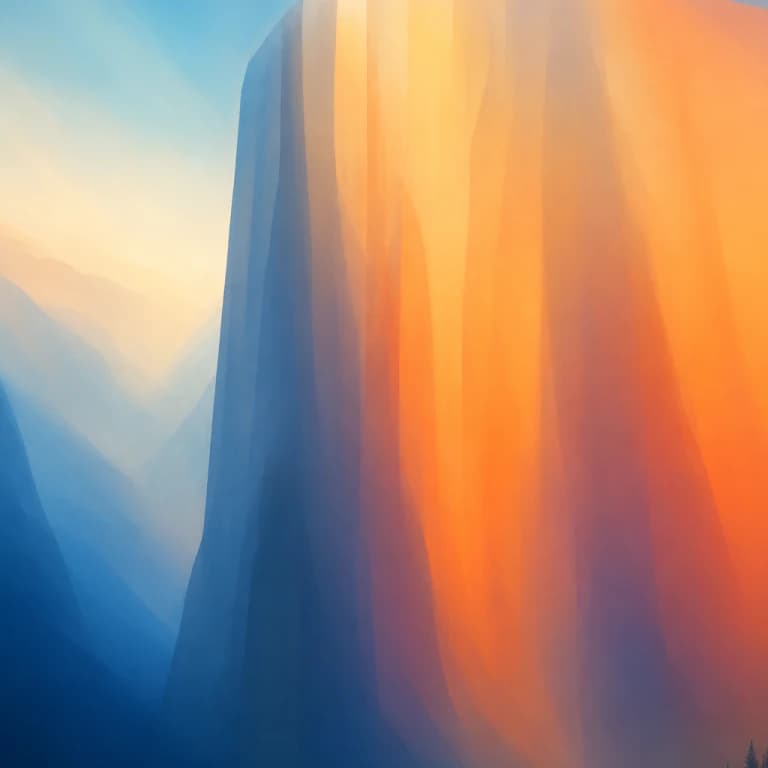
Seeing Yosemite in black and white
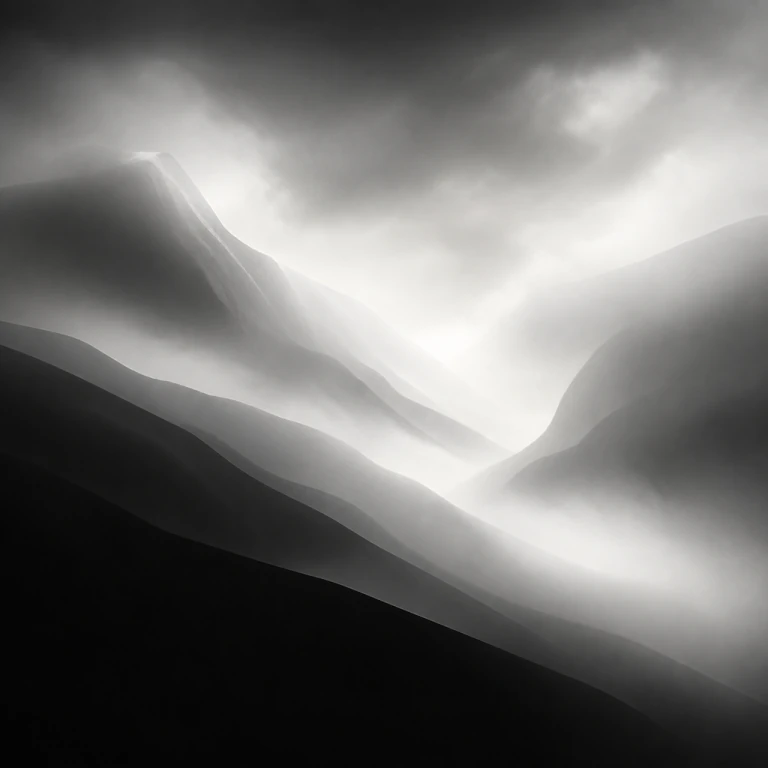
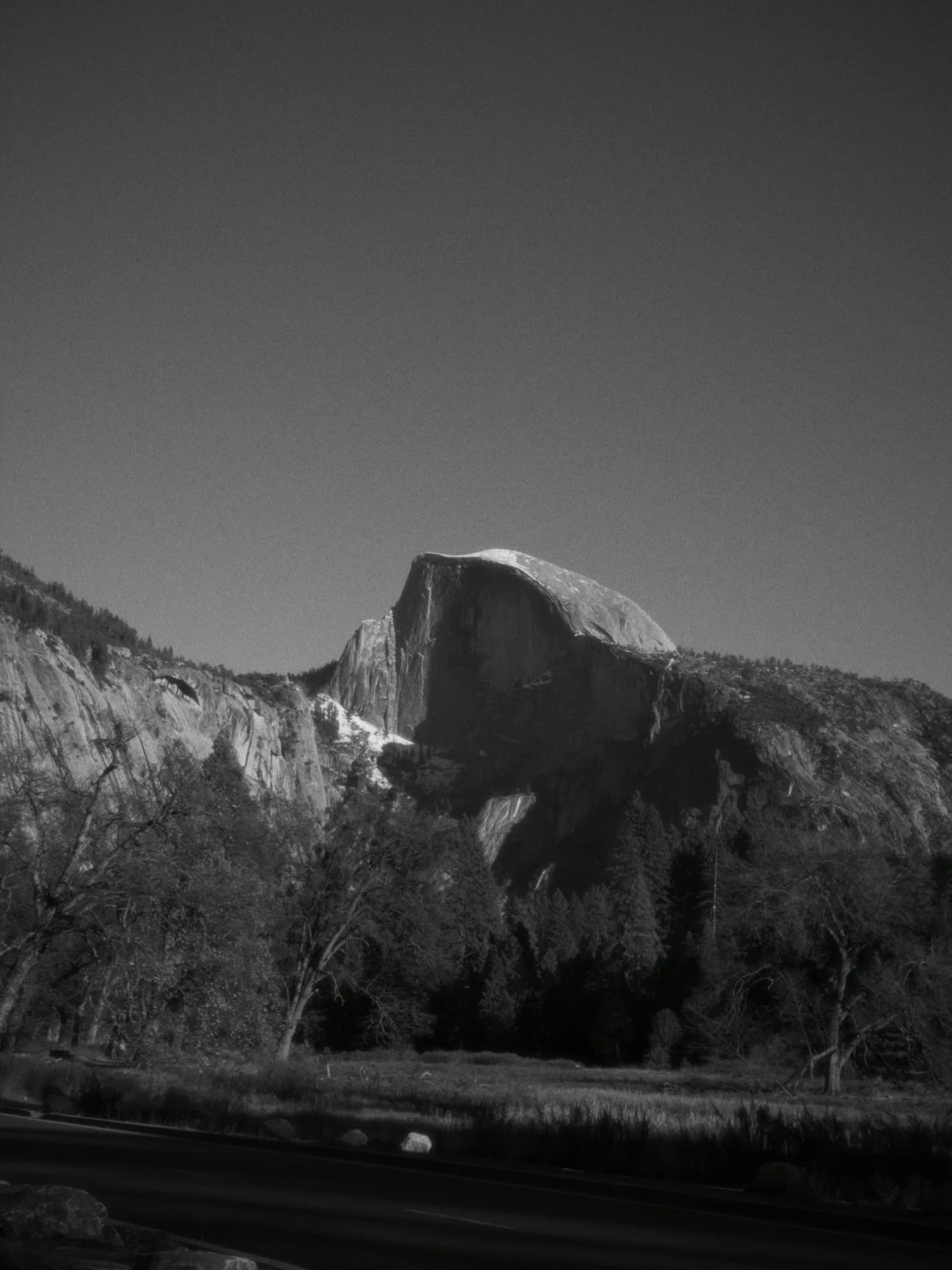
While I was in Yosemite, I encountered the work of Ansel Adams and learned more about the photographer who made the valley feel monumental in black and white. I had only recently started appreciating monochrome photography, and his images showed me how much color can disappear without losing atmosphere.
Ansel became the name of Sundae's black-and-white Vibe. It is a small tribute to the photographer who helped me see a familiar landscape in a completely different way, in the same place where the idea for Sundae first began.
Something fun
There is no complicated story behind the name Sundae. I wanted something familiar, colorful, layered, and fun. Photography can become intimidating when every conversation begins with expensive equipment or technical language. Sundae was meant to feel approachable enough to open, point, and shoot, while still leaving room for manual control when I want to slow down.
The icon follows the same idea. Several playful shapes come together around the center like the blades of a camera aperture. It feels photographic without becoming too serious about itself.


The camera is already with you
Building Sundae changed the way I think about photography. The best tool is the tool you already have. What matters most is still the person behind it: where they stand, what they notice, when they press the shutter, and what they want someone else to feel.
It also changed how I think about software. AI makes it possible to build quickly, but speed is not the part that interests me most. I enjoy slowing down to work on an interaction, a haptic response, or the tone of a photograph until something simple feels considered. A small interface can contain an enormous amount of care.
Sundae is where my interests in photography, art, design, and programming finally became one project. More than anything, it is proof to myself that the tools I already have can be enough to express a point of view.