I love AI.
That is probably worth saying before anything else.
I use it all the time. It helps me explore ideas, write code, find different ways through a problem, and make things I might have talked myself out of starting a few years ago.
That is what excites me about this moment. More people can make things now. You can have an idea late at night and see a version of it before you go to sleep. You can build software without knowing every part of the stack. You can make an image without a studio. You can begin before you feel qualified.
The sky really is the limit.
But having the ability to make something does not automatically make it worth making.
The first draft
AI is very good at giving us a draft. It can give us a landing page, a logo, an app, a photograph, or a paragraph in seconds. Most of it will work. Some of it will even look impressive.
Then you look a little longer.
The same words. The same layout. Everything is clean, polished, and somehow familiar. It looks like it came from everywhere, which means it came from nowhere in particular.
I wanted to see what that first draft would look like.
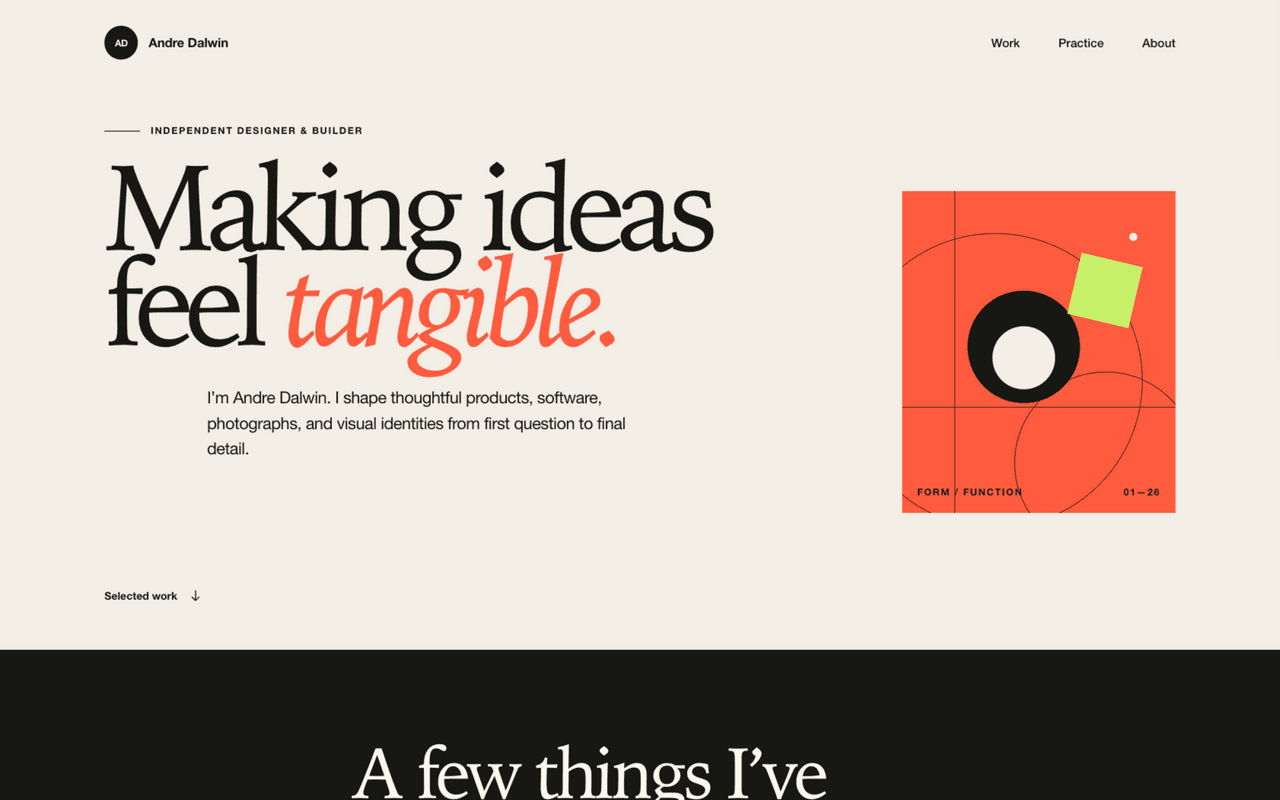
The result is not bad. That is the point.
But AI does not know what “beautiful” means.
Beauty is subjective. What I find beautiful might feel boring or ugly to someone else. When I ask AI for something “beautiful” or “nice,” I am not giving it a direction. I am asking it to guess what I want.
So it reaches for familiar signs of good design: a small line, an eyebrow, a large serif headline, one italic word (for "style", of course), abstract shapes, and too much copy. None of these choices is wrong. But together, they feel like every other AI website.
If everyone asks AI for a beautiful website and accepts that first guess, our websites will start to look the same.
That is not proof that AI cannot create. It is proof that buzzwords cannot replace decisions.
I did not need an easier way to ask for beauty. I needed to decide what belonged to me.
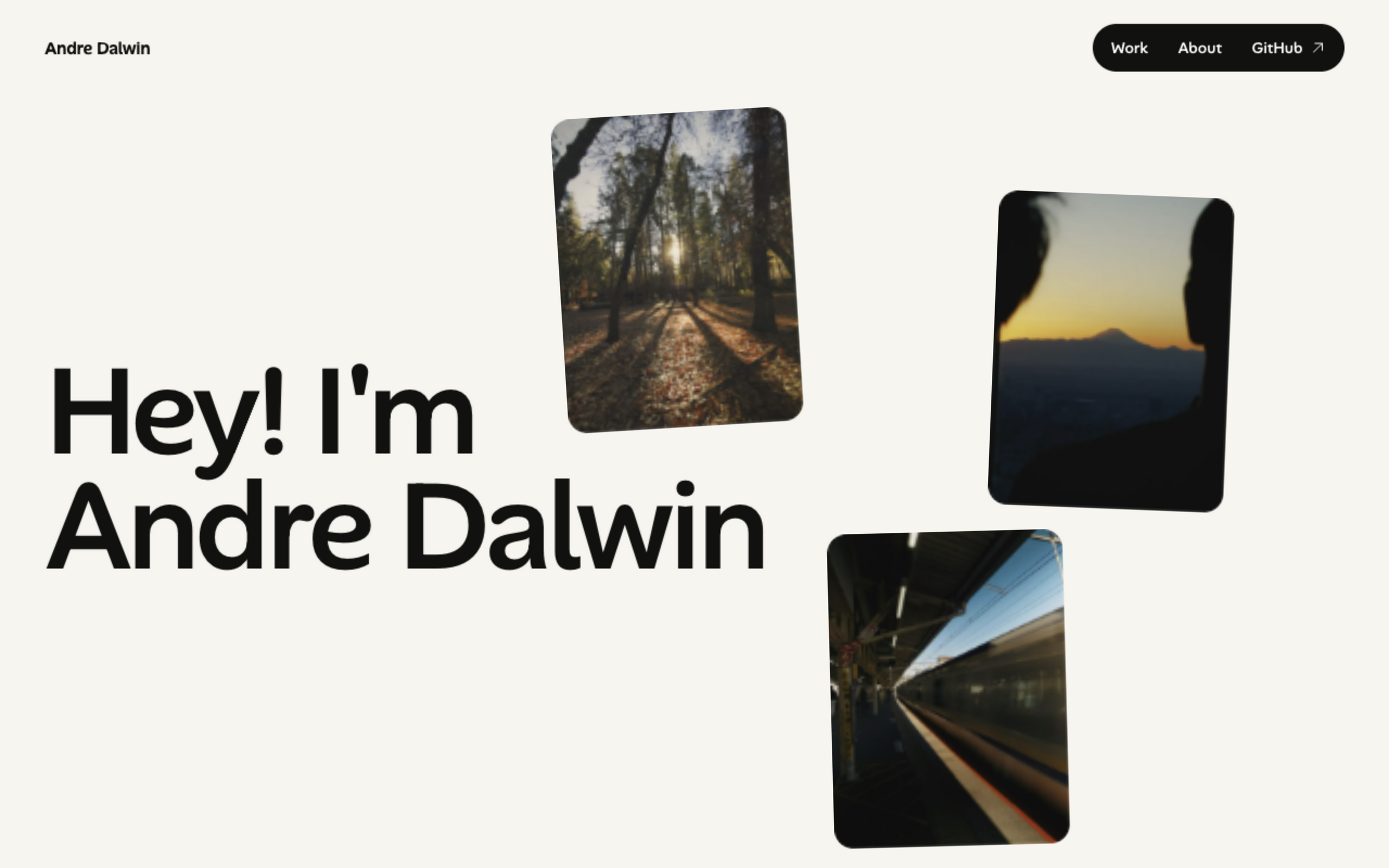
I wanted my hero to be simple, but interesting enough to make people curious about who I am. It uses four words and a few photographs I took. As you move around the page, the photographs develop around my name.
That does not make it beautiful to everyone. It makes it my draft. Somebody else should make a different one.
The problem is not that AI made it. The problem is that the first draft AI generated was treated as the final one.
There is an unfortunate truth behind that. In a world measured by KPIs and OKRs, teams are rewarded for shipping quickly, not for staying with the work long enough to question it. The first iteration becomes the lasting one. A proof of concept becomes the product. Temporary fixes stay because there is always another target to meet.
This is not always a failure of taste. Sometimes the system leaves no time to exercise it.
We used to be limited by what we could execute. Now we are limited by what we are willing to question.
Taste is not a style
When people talk about taste, it can sound like something you either have or you do not. As if a few people were born knowing the correct typeface, the perfect shade of grey, and exactly how much blur belongs behind a floating panel.
I do not think taste works like that.
Taste is paying attention. It is collecting references, noticing patterns, making something, and then being honest about what still feels wrong. It is knowing when an idea needs another pass and when another pass would only make it worse.
While I was shaping this site, I kept references in a Cosmos board. It was not a recipe for a finished layout. It was a collection of things I kept returning to: typography, scale, images, color, and the pacing of a page. The board helped me name what I liked. The website came from deciding which ideas belonged together and which did not.
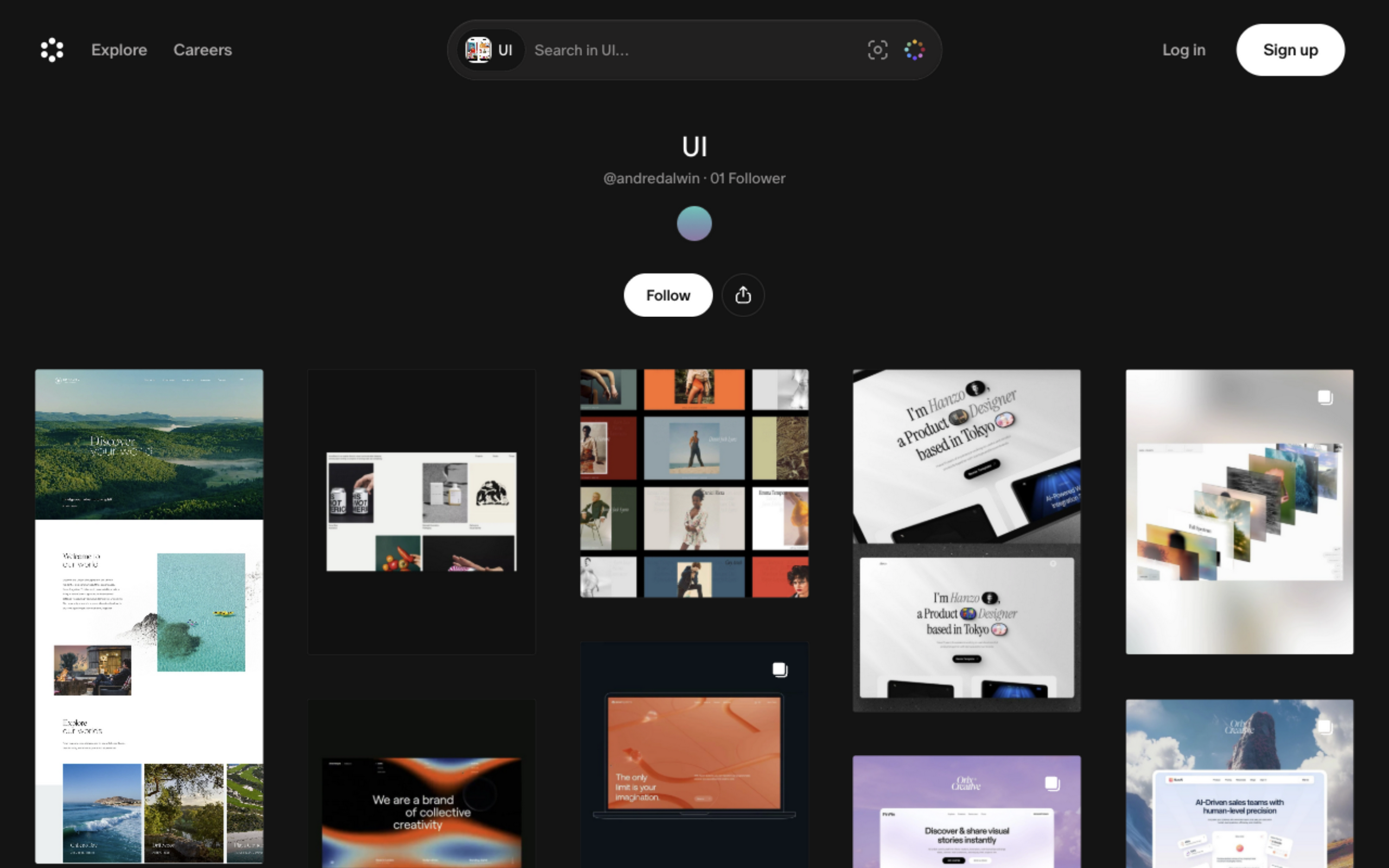
Collecting references is not the same as copying them. References make a vague feeling more specific. Instead of asking for something beautiful, I can talk about the amount of empty space I like, the way images carry a page, or the tension between one typeface and another. Then I can decide what actually belongs in my work.
It also does not mean making everything beautiful. Something can be awkward, loud, quiet, strange, or intentionally ugly and still show taste. The point is that somebody chose it. There is a reason it looks and feels the way it does.
AI slop is not a particular aesthetic. It is what happens when people lose taste.
Uncommon care
One of the best resources I have found for thinking about this is Interface Craft by Josh Puckett.
Josh has spent nearly two decades designing products and has led teams at Wealthfront, Dropbox, and Groupon.
He describes it as a library for people committed to designing with “uncommon care.” It includes principles, practical demonstrations, detailed interface refinements, and lessons on collaborating with AI to get more exacting results.
That last part matters. Interface Craft is not arguing that good work requires refusing new tools. It shows what it looks like to use those tools while still caring about every decision.
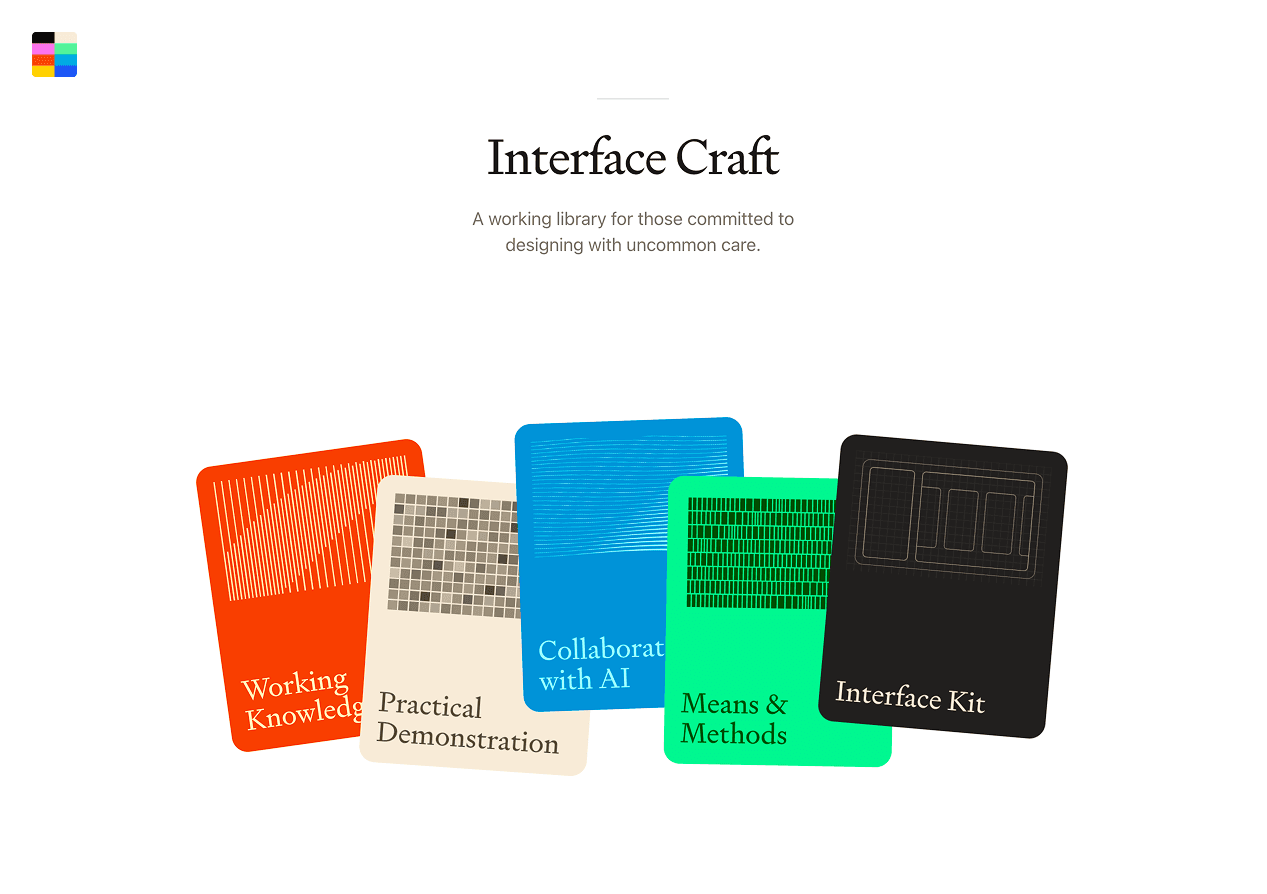
That is the part of taste people sometimes miss. It is not mysterious. It can be studied. You can learn why an interaction feels natural, why a layout feels settled, or why one tiny change makes an interface feel more considered. Then you can develop your own point of view instead of collecting somebody else’s choices.
Taste grows every time you refuse to stop at “good enough.”
The same tools, different hands
Everyone has access to increasingly similar tools. That does not mean everything we make has to become similar too.
The interesting part has moved. It is no longer just whether you can make the thing. It is why you made it this way. What did you keep? What did you remove? What did you notice that somebody else might have missed?
I see this most clearly when I work on Sundae, my camera app. AI can help me move through the code faster or try a new interaction. It cannot tell me what taking a photograph should feel like, which controls deserve to be visible, or when an effect begins drawing attention to itself. Those are not coding questions. They are decisions about the kind of camera I want to use.
I designed the zoom picker as a curved glass arc instead of a regular Liquid Glass surface. The arc follows the natural curve of your thumb, making it feel good to drag across while giving the control a look of its own.
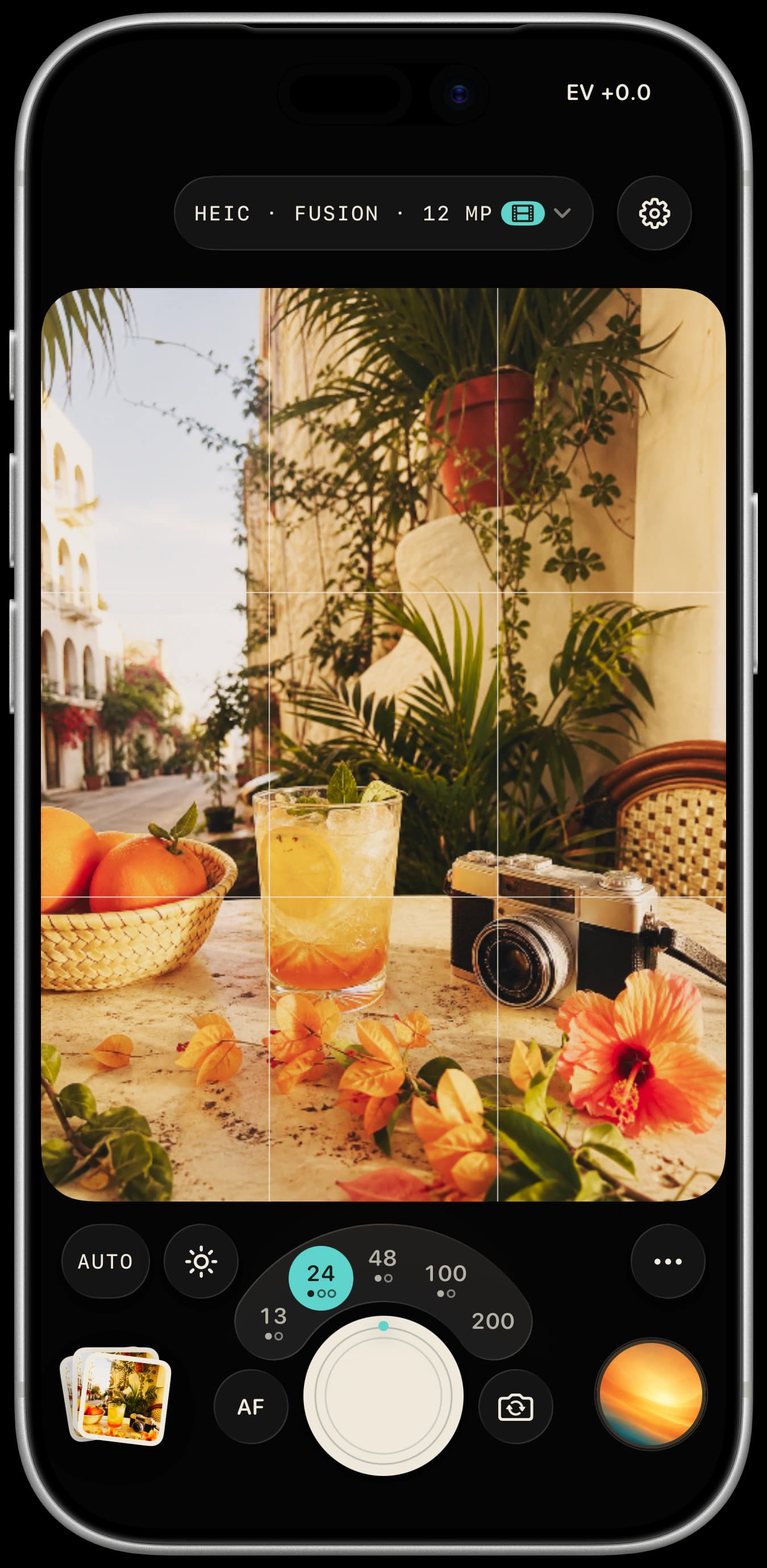
This is why two people can begin with the same tool and end up somewhere completely different. The tool creates possibility. The person creates direction.
If I publish the first draft AI gives me and go with slop, that is my choice. I cannot blame the tool for work I decided was finished.
Make it yours
AI has removed a lot of excuses. That is exciting. It is also uncomfortable.
If we can make almost anything, then what we choose to make matters more. The details matter more. Our reasons matter more. Our willingness to look at something technically complete and admit that it still does not feel right matters more.
Use the tool. Let it make you faster. Let it help you begin. Let it take you somewhere you could not have reached alone.
Then look at what it gave you and ask:
Did I choose this, or did I simply accept it?
If that feels uncomfortable, don't stop.
The first draft is easy now. Good. That gives us more time to make it truly ours.